Toddler Won’t Sleep: Tips From a Sleep Coach
Your toddler won’t sleep, what now? Read practical tips and advice from sleep coach Merel. What if your toddler won’t sleep without mum?
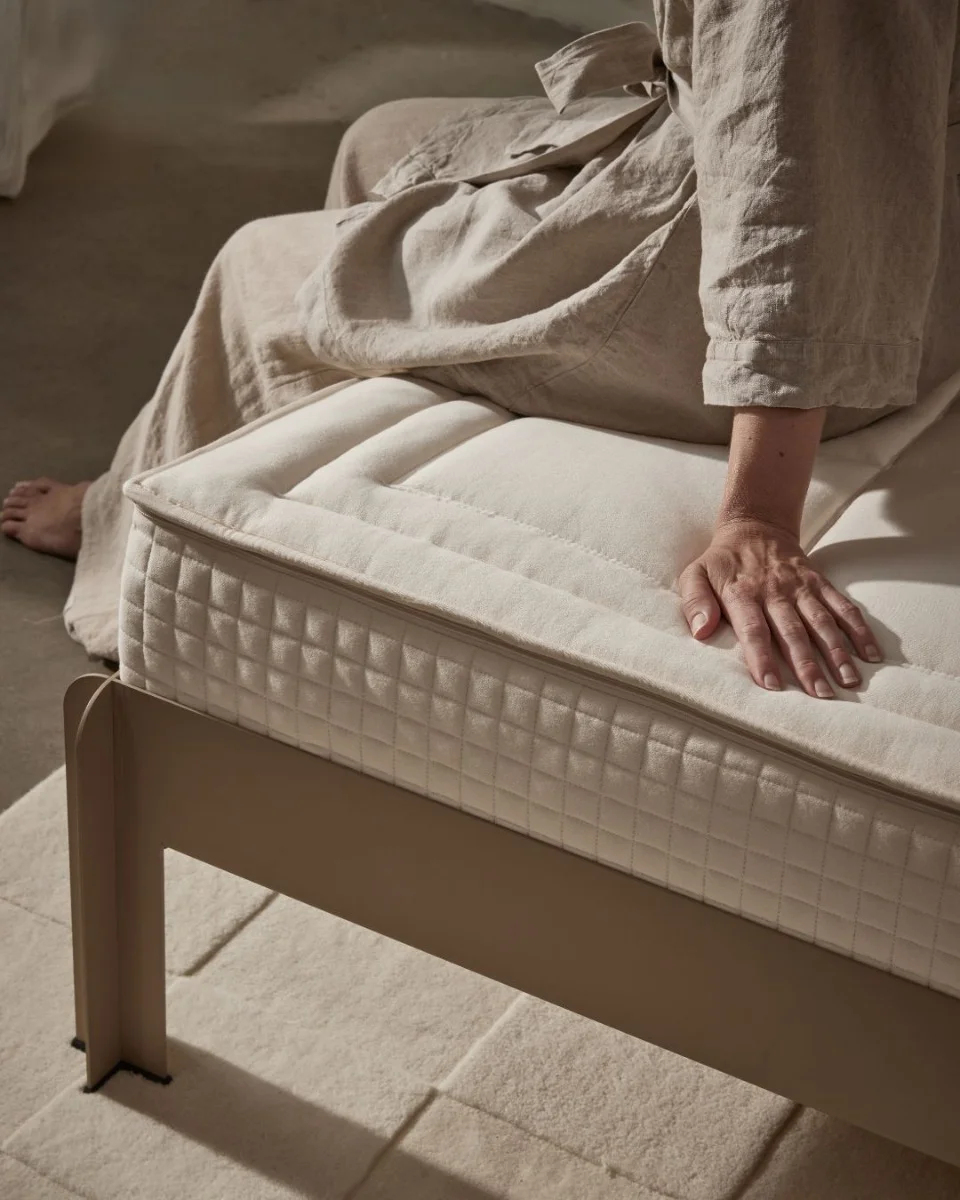
A good children’s mattress is essential for healthy growth and development. But what exactly makes a good children’s mattress, and what should you look out for when buying one? Unlike adults, children sleep best on a mattress without zones — this makes the mattress flexible enough to grow with them. Handy! With so many different options available, it can be tricky to find the right one. Whether you’re looking for a mattress for a toddler bed or a cot, here’s everything you need to know.

Why Is a Good Children’s Mattress So Important?
A good mattress plays a crucial role in the quality of sleep. Children aged between 3 and 5 need around 10 to 13 hours of sleep each day — that’s almost half the day! Children’s sleeping positions also differ from adults: they move around more and change positions frequently. So it’s important to choose the right children’s mattress carefully.
What Makes a Good Children's Mattress?
To help your little one sleep well, a children’s mattress needs specific features. One of the most important is that it should not have zones. Zoned mattresses offer support to certain pressure points such as the shoulders, hips and lower back. But since children are constantly growing, these pressure points keep changing. A good children’s mattress therefore has no zones, so it can adapt more easily as your child grows — making it the most ergonomic choice.
The Right Materials Make the Difference
If you’re wondering what kind of mattress is best for a toddler, start by looking at the materials. Natural latex is an excellent choice because it’s naturally antibacterial and resistant to mould. It also protects against dust mites and provides excellent ventilation — all essential for a good night’s sleep.
Temperature regulation is another key factor when choosing a mattress. A good children’s mattress with a natural latex core and a wool comfort layer creates the ideal sleep climate. The open cell structure of natural latex ensures great ventilation, while wool regulates temperature. This combination prevents your child from getting too warm or too cold during sleep. Wool can also absorb up to 30% of its own weight in moisture without feeling damp — a big plus for comfort!


Children’s Mattress Size
Buying a children’s mattress — what should you look for? The size is a key factor. The most common children’s mattress sizes are:
• 60 x 120 cm for babies
• 70 x 140 cm for toddlers
When choosing a good children’s mattress, it’s important to consider different stages of development. Between the age of two and puberty, children grow an average of 6 centimetres per year. This directly affects the lifespan of the mattress. A mattress that fits a three-year-old may already be too small for a seven-year-old. That’s why it’s smart to choose a slightly larger size so your child can use it longer. In terms of thickness, 8 centimetres is ideal — it offers enough support without being too firm.
The Right Choice for Your Little One and for the Planet
Whatever type of mattress you choose for your toddler, make sure it has good ventilation and is made from natural materials. Natural latex is an excellent material for a children’s mattress thanks to its elasticity and resilience — it supports wherever needed. It also contains no harmful substances. And before you buy, also think about the impact on the planet. Look for mattresses with trusted certifications such as GOTS for organic cotton and QUL for natural latex. These labels guarantee quality and safety.
Sustainable Sleep from Day One
With a good children’s mattress, you lay the foundation for years of healthy sleep. So, what’s the takeaway from the question “what should you look for when buying a children’s mattress?”
• Choose a mattress without zones.
• Go for natural materials such as natural latex.
• Pay attention to temperature regulation and breathability.
• Choose a slightly larger size for longer use.
• Consider the impact on people, animals and the planet — look for recognised quality and safety labels.
Sources: slaaptipsvoorbabys.nl, Radboud UMC


Your toddler won’t sleep, what now? Read practical tips and advice from sleep coach Merel. What if your toddler won’t sleep without mum?

Washing new towels before use is definitely a good idea. Read our tips here, including using vinegar as a natural alternative to fabric softener.

Suffering from night sweats? Discover the causes and soothing solutions. From the best duvet to practical tips for a cooler night’s sleep.

Washing merino wool requires extra care. We share practical tips to help you enjoy your merino wool items for as long as possible.

Meditating before sleep is a great way to fall asleep faster. We explain why and share 5 practical tips to help you get started.

What do you need to know about baby blanket sizes? We’re happy to explain. You’ll read all about this and more in this blog.

Washing your Yumeko pillow requires special care. Read everything you need to know about proper pillow maintenance here.

Cold feet in bed can be annoying, especially if they keep you awake at night. We explain the causes – and what you can do about them.

Pillows are very important for the overall look and feel of your sleep space. By placing pillows in different sizes on your bed, you instantly create a hotel chic feel. Choose the right pillowcase sizes and you can give your bed a quick makeover in no time!

What actually determines when we sleep and wake up? And how can you optimise your sleep rhythm to have more energy? We take you into the fascinating world of our biological clock and discover how you can make it work in your favour.