What Can You Do About Snoring? Our Tips
What can you do about snoring? It’s a question many people struggle with. Since the causes of snoring vary, we’re happy to explain more—and share our tips.
Cold feet in bed can be really annoying, especially when they lead to sleepless nights. The cause of cold feet is often related to blood circulation, and for women, hormones can also play a role in cold legs and feet at night. Because we believe everyone deserves a good night’s sleep, we’re happy to explain why you get cold feet — and, more importantly, how to get rid of them.

There isn’t just one cause of cold legs and feet in bed. Let’s start with blood circulation. When the temperature drops – something that often happens at night – your body reacts by directing warmth to the vital organs. To keep these organs warm, the body narrows small blood vessels, such as capillaries. This process is called vasoconstriction. The result? Ice-cold hands and feet instead of warm ones.
For women, hormones also play a major role in getting cold feet in bed – especially the hormone oestrogen. This hormone causes blood vessels in the hands and feet to narrow more quickly. As a result, the female body can retain more heat around the ovaries and uterus. These are vital organs, for example during pregnancy. It’s therefore not surprising that you may experience more or less cold feet at different moments in your cycle. Around ovulation and in the days leading up to it, oestrogen levels increase, which can make cold feet more noticeable.
The menopause can also cause cold feet in bed. During this phase, oestrogen levels fluctuate, which can lead to hot flushes. You may suddenly feel very warm, seemingly out of nowhere. Afterwards, the body tries to cool down, for example by sweating. A cool breeze can then suddenly feel like mid-winter, and you may end up with very cold feet.
Whatever the cause of cold feet in bed, you’ll want to know as soon as possible what to do about them – so you can drift off to sleep comfortably again. That’s why we’re happy to share our tips against cold feet.
A great solution? Cold feet are strongly influenced by blood circulation. That’s why movement is the best remedy. It helps get your circulation going again. No need to worry – running miles or doing an intense workout before bed isn’t necessary. A short walk or a few simple exercises are more than enough.
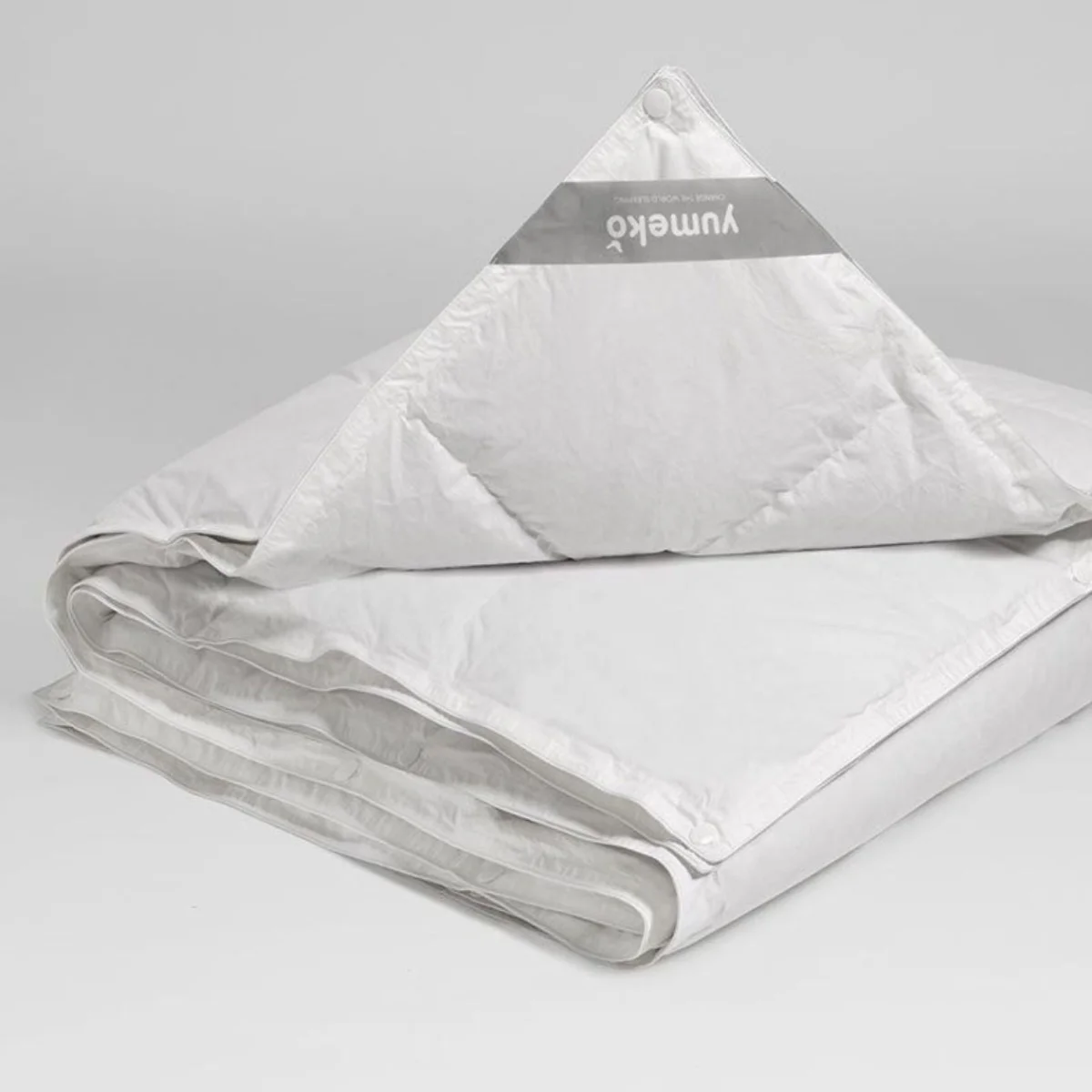
You can also reduce cold feet in bed by choosing the right duvet. Real cold sleepers often opt for a winter duvet or an all-seasons duvet, so they stay warm all year round. Haven’t found your ideal duvet yet? We’re happy to help!
Another great tip for cold feet: add some extra warmth at night. Think warm socks to keep cold feet at bay, and wear a cosy, comfortable pyjama. To take it one step further, warm up your bed with a hot water bottle before you get in. Yumeko’s hot water bottles are especially sustainable – made from durable, Fairtrade-certified natural rubber from Sri Lanka. Warm and eco-friendly.
A soothing foot massage works wonders for cold feet, as it stimulates blood circulation. A contrast bath – alternating between cold and warm water – also works well. Just a few minutes before bedtime is enough, and it’s wonderfully relaxing too. A double win!
Sources: Sleeplife, Nu.nl & Viata


What can you do about snoring? It’s a question many people struggle with. Since the causes of snoring vary, we’re happy to explain more—and share our tips.

Silk has been valued for centuries because of its luxurious appearance and silky-soft feel. But what exactly is silk? We’d love to tell you more about this unique—yet not animal-friendly—material. Because what is silk made from, what is the difference between silk and satin, and what are animal-friendly alternatives? We’ll also answer other important questions, such as: should you choose a satin or silk pillowcase? And what is mulberry silk?

Read everything about the unique material TENCEL™. We answer questions like “what is TENCEL™ fabric?” and “what is TENCEL™ made from?”

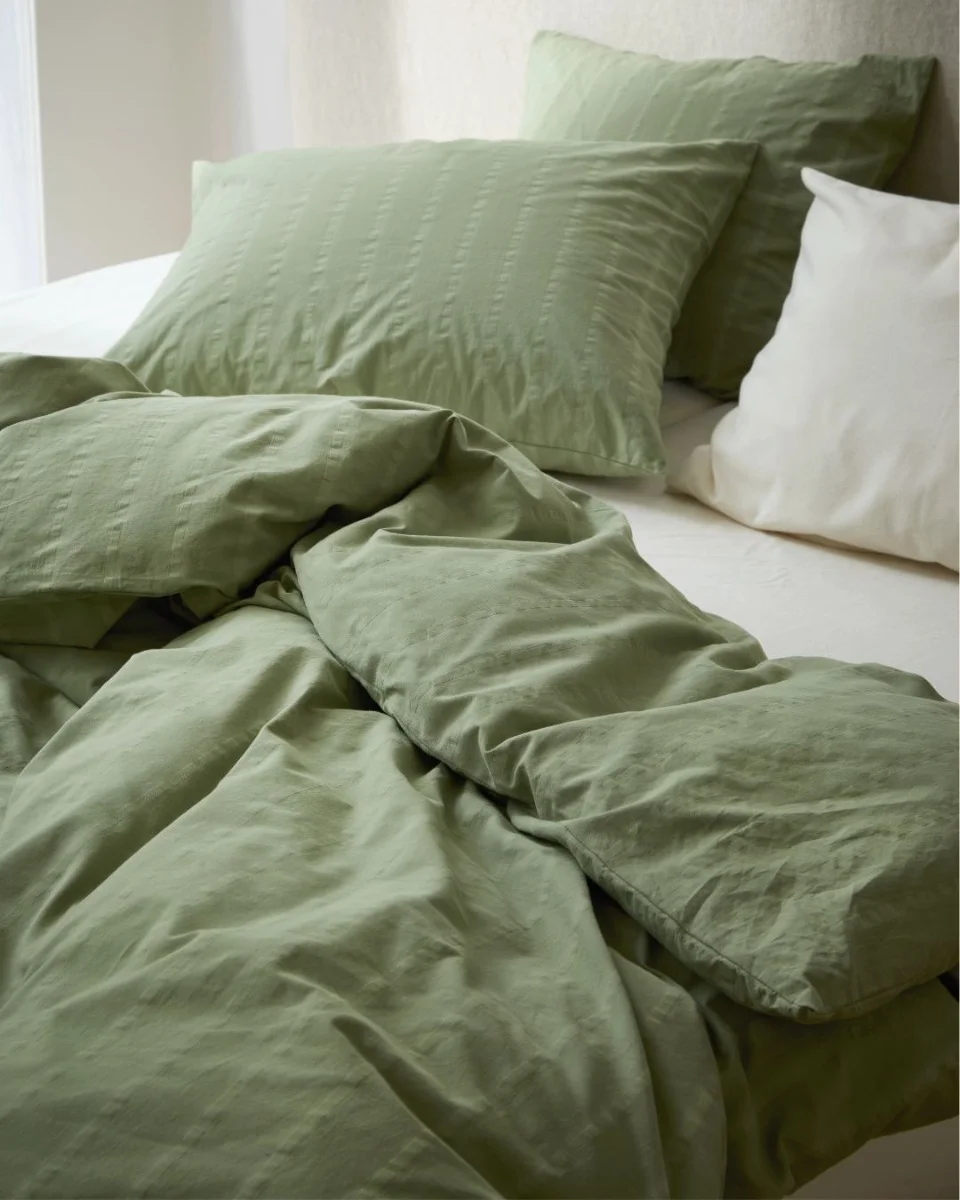
You may have heard of “seersucker” before—perhaps while shopping for clothing or seersucker bedding. This unique fabric is very popular, especially in warmer climates. It’s wonderfully comfortable to sleep under, but what exactly is seersucker? And what makes a seersucker duvet cover so comfortable? In this blog, we’ll tell you everything you need to know about seersucker fabric. A little spoiler: seersucker cotton is incredibly breathable and very easy to care for. For example, seersucker doesn’t need ironing—how convenient!

Satin takes your sleep experience to the next level. But what exactly is satin, how is it made, and what makes it so special? Read more here!

Linen is a beautiful fabric with lots of character and it’s incredibly durable. In this blog, we’ll tell you everything about it. You’ll discover more about the benefits of linen, its environmental impact, and how linen is made. But first…

One of our best-selling pillows is filled with the natural material kapok. But what exactly is kapok? Read all about it here!

What is jersey cotton? And first of all: what is jersey fabric? Let’s dive into the world of this comfy material and discover why it’s so perfect for a good night’s sleep.

Flannel is a fabric that perfectly combines warmth and softness. But what exactly is flannel? In this blog, we’ll tell you everything about this special fabric and why we love it so much.

The question “what is Egyptian cotton?” comes up often—and that’s no surprise. How can you recognize Egyptian cotton, and is it worth the investment? We’ll explain it all in this blog.