Night Sweats: The Causes And The Best Tips

Do you know that feeling? Waking up in a bed that feels damp, as if you have just run a marathon? Night sweats are a common issue that can seriously disturb your sleep. The good news is that in most cases it is harmless and there are several ways to deal with it. In this blog, we tell you everything you need to know, including:


  1. The cause of night sweats in men
  2. Practical tips against night sweats
  3. The best duvet for night sweats
MMK_1718

The Most Common Causes Of Night Sweats

Sweating is your body’s natural way of cooling down and preventing overheating. The causes of night sweats range from everyday factors, such as a bedroom that is too warm or intense exercise before bedtime, to the use of certain medications. Alcohol, spicy food, nightmares and being overweight can also play a role. Sometimes, however, night sweats can point to underlying issues. We take a closer look at a few of them.

Hormonal Influences

Night sweats during the menopause are a well-known issue that many women experience. Falling oestrogen levels can cause hot flushes that last from a few minutes to up to an hour. Night sweats before menstruation are also common due to hormonal changes. These cycle-related night sweats are often accompanied by temperature fluctuations and can seriously disturb your sleep.


The Male Perspective

Men can also suffer from night sweats. The cause of night sweats in men is similar to that in women: hormones, medication or underlying medical conditions can also be responsible.


Other Causes

In addition to hormonal changes and lifestyle factors, there are other possible reasons for night sweats. A vitamin D deficiency, for example, is a common but often underestimated cause. With a lack of vitamin D, you may sweat more all over your body, which can also lead to dry, irritated skin and even spots.

Stress and anxiety can also play a major role. When you feel tense, your body produces more adrenaline, increasing your heart rate and blood pressure. This creates extra energy in your body, resulting in more sweating. In some cases, night sweats can point to underlying health conditions such as sleep apnoea, adrenal gland disorders or diabetes.

Ontwerp_zonder_titel_9_
MMK_1942_1

The Effects Of Night Sweats

Although night sweats are often harmless, there are situations where it is wise to consult a doctor. Especially when night sweats are combined with other symptoms, this may indicate an underlying condition. Watch out for symptoms such as:

  • Ongoing fatigue
  • Regular headaches or dizziness
  • Unexplained fever
  • Heart palpitations
  • Trembling
  • Breathing problems


Complaints related to night sweats and the lungs combined with fatigue, or severe menopausal night sweats, are certainly reasons to contact your GP. If you suspect that medication may be causing your night sweats, it is also a good idea to discuss this with a doctor.


What Can You Do About Night Sweats?

Depending on the exact cause, you can take suitable measures. If your night sweats are linked to a vitamin D deficiency, for example, it is advisable to take supplements or spend more time outdoors.

In general, small changes can make a big difference. So what can you do about night sweats? Start with these practical tips:

  1. Keep your bedroom between 16 and 22 degrees
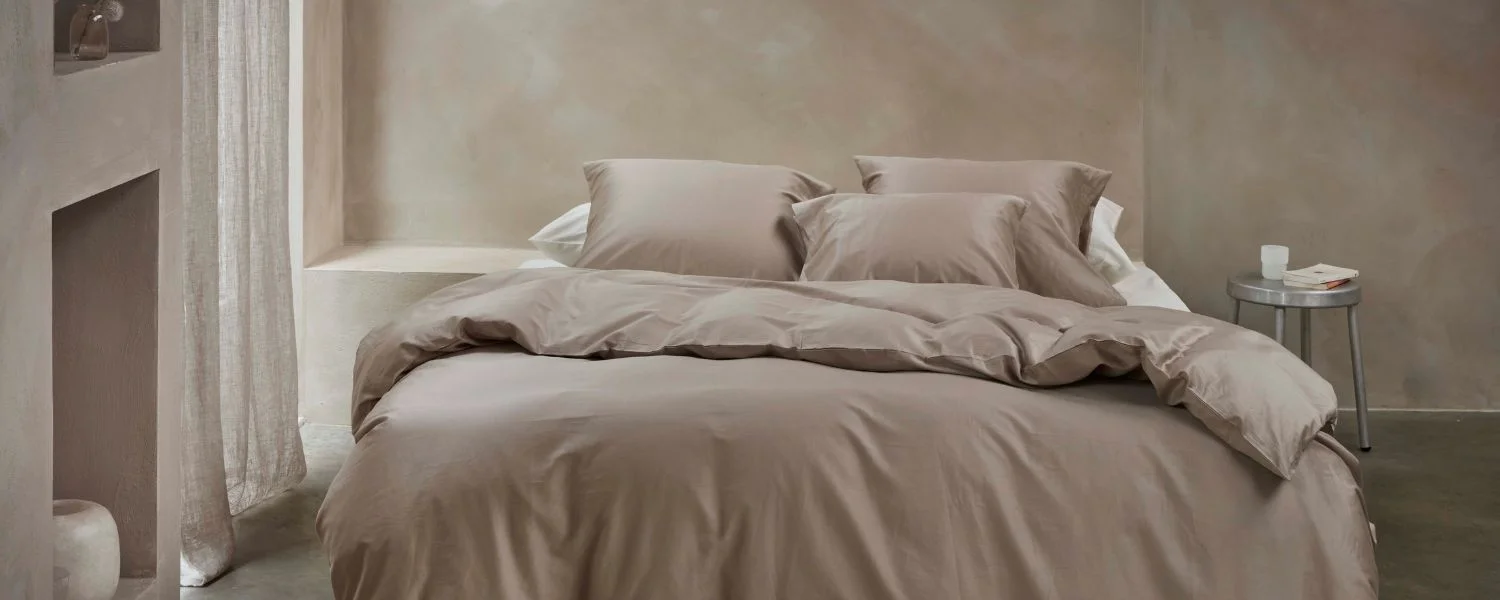
  2. Choose breathable materials for your bedding, such as linen
  3. Avoid alcohol and spicy food before bedtime
  4. Make sure you get enough exercise during the day, but not just before going to sleep

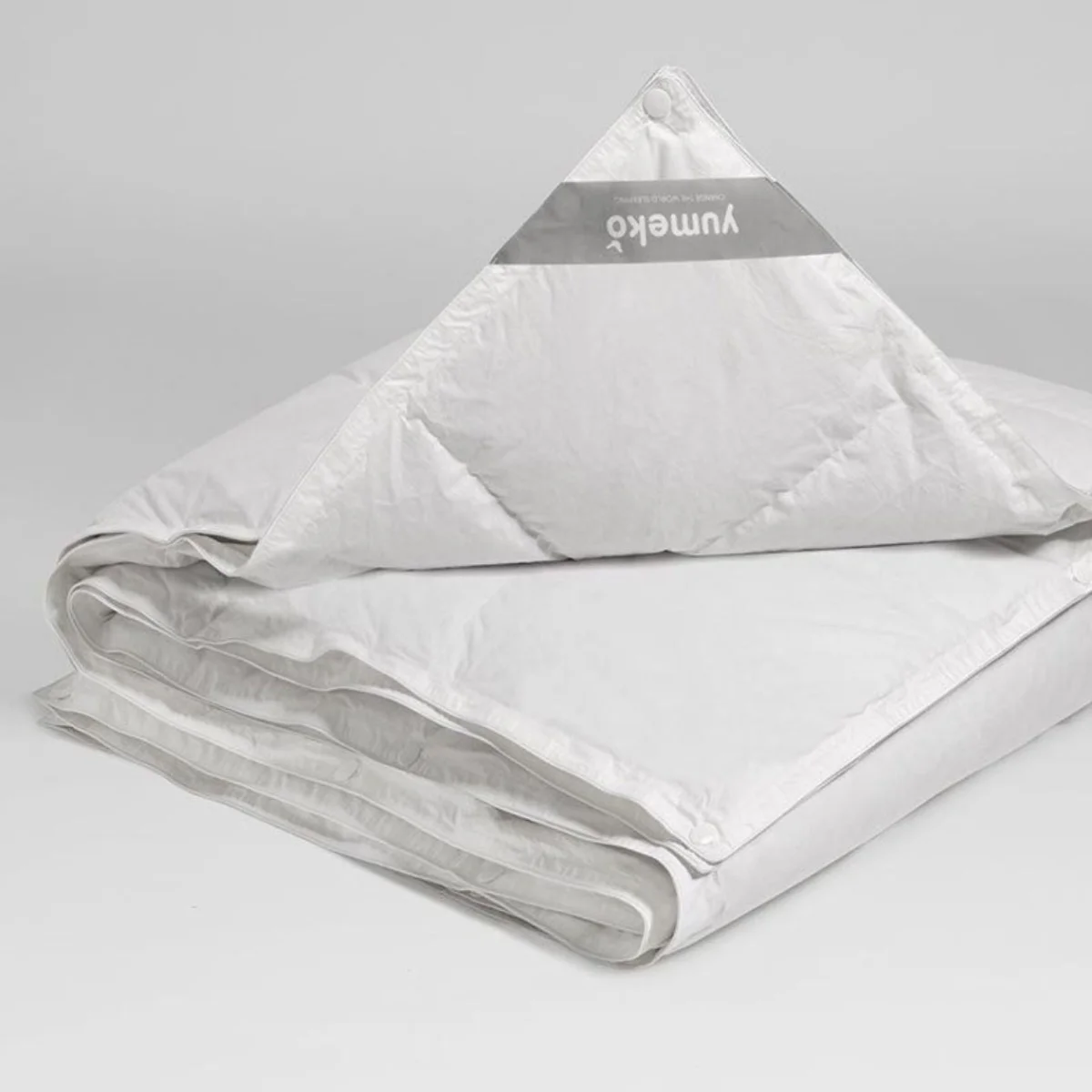
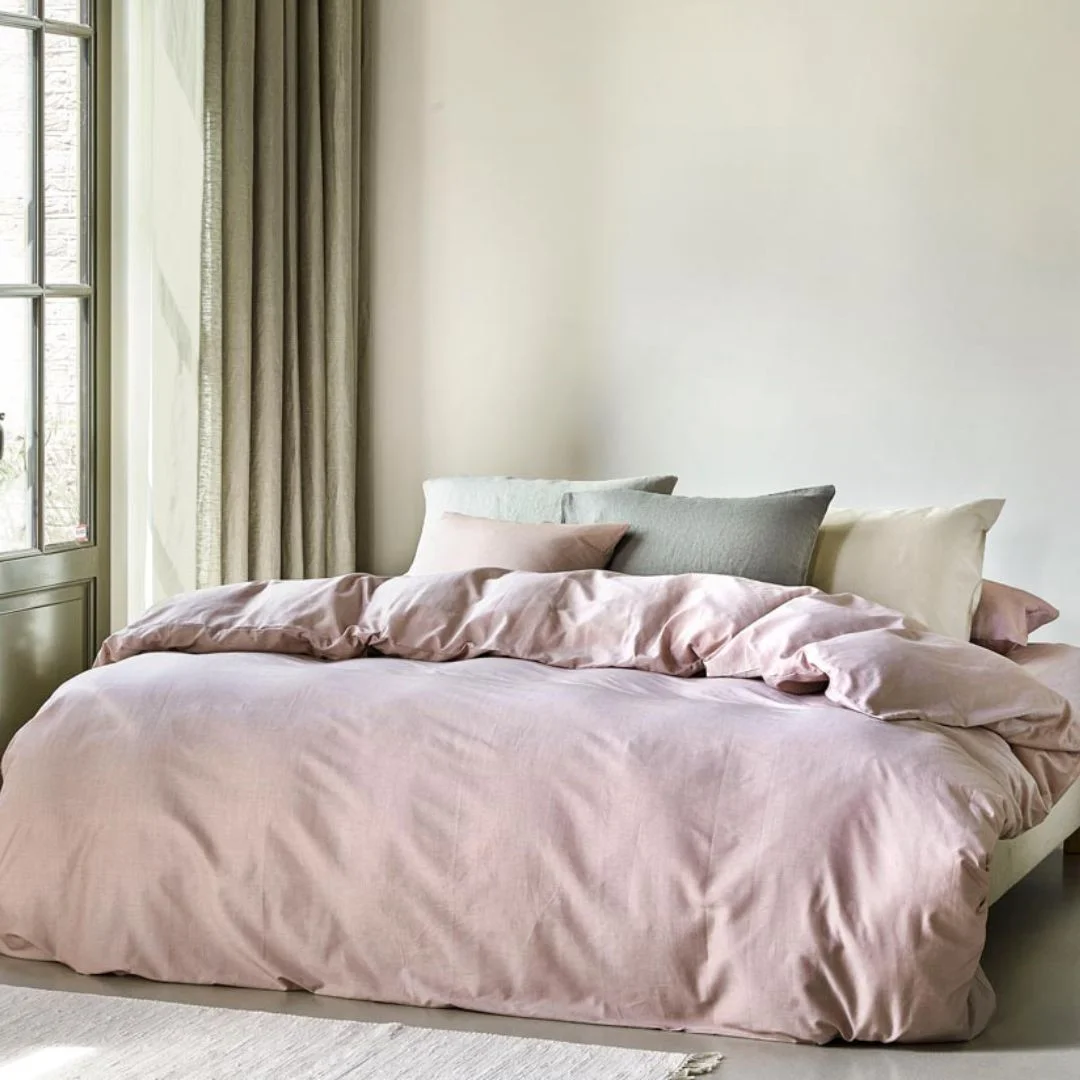
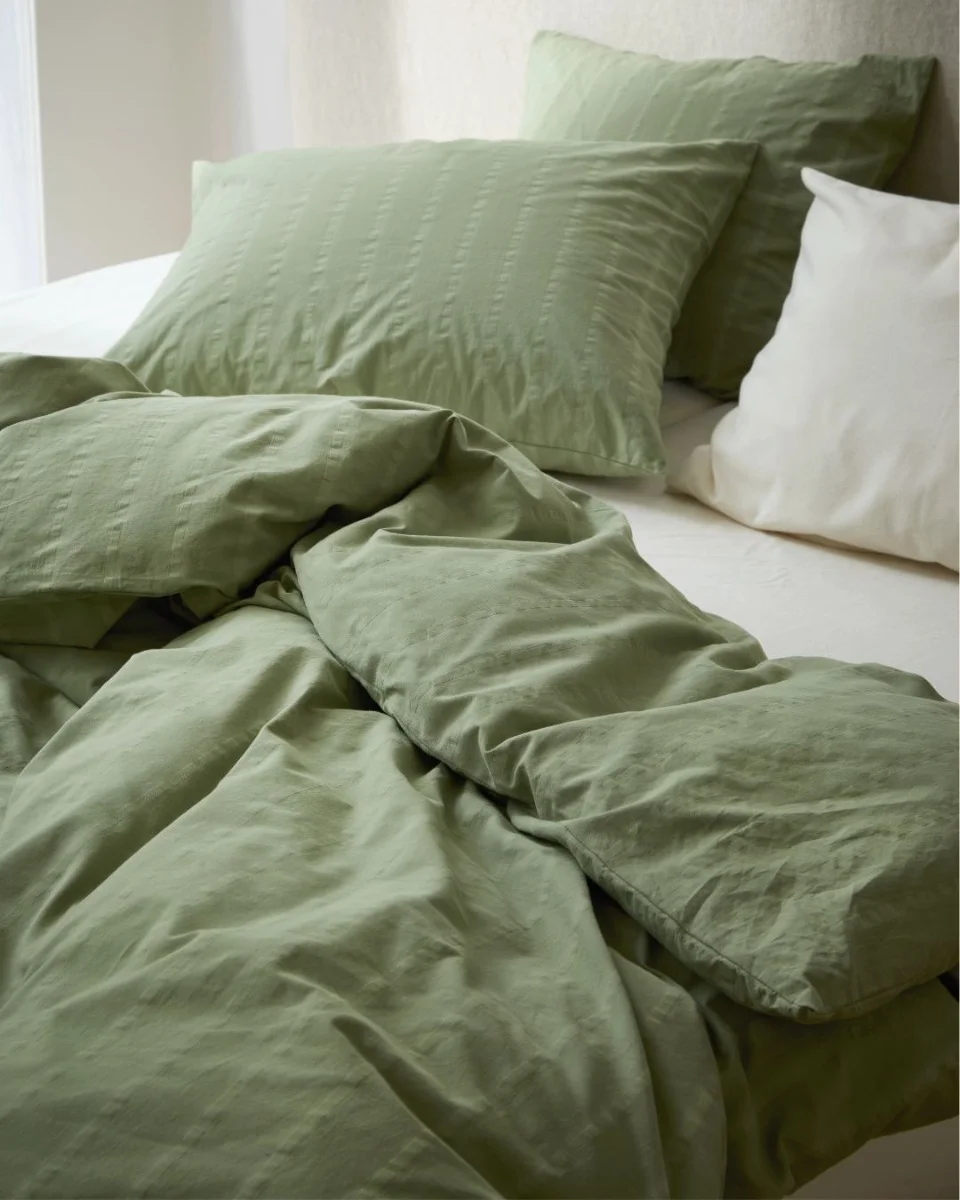
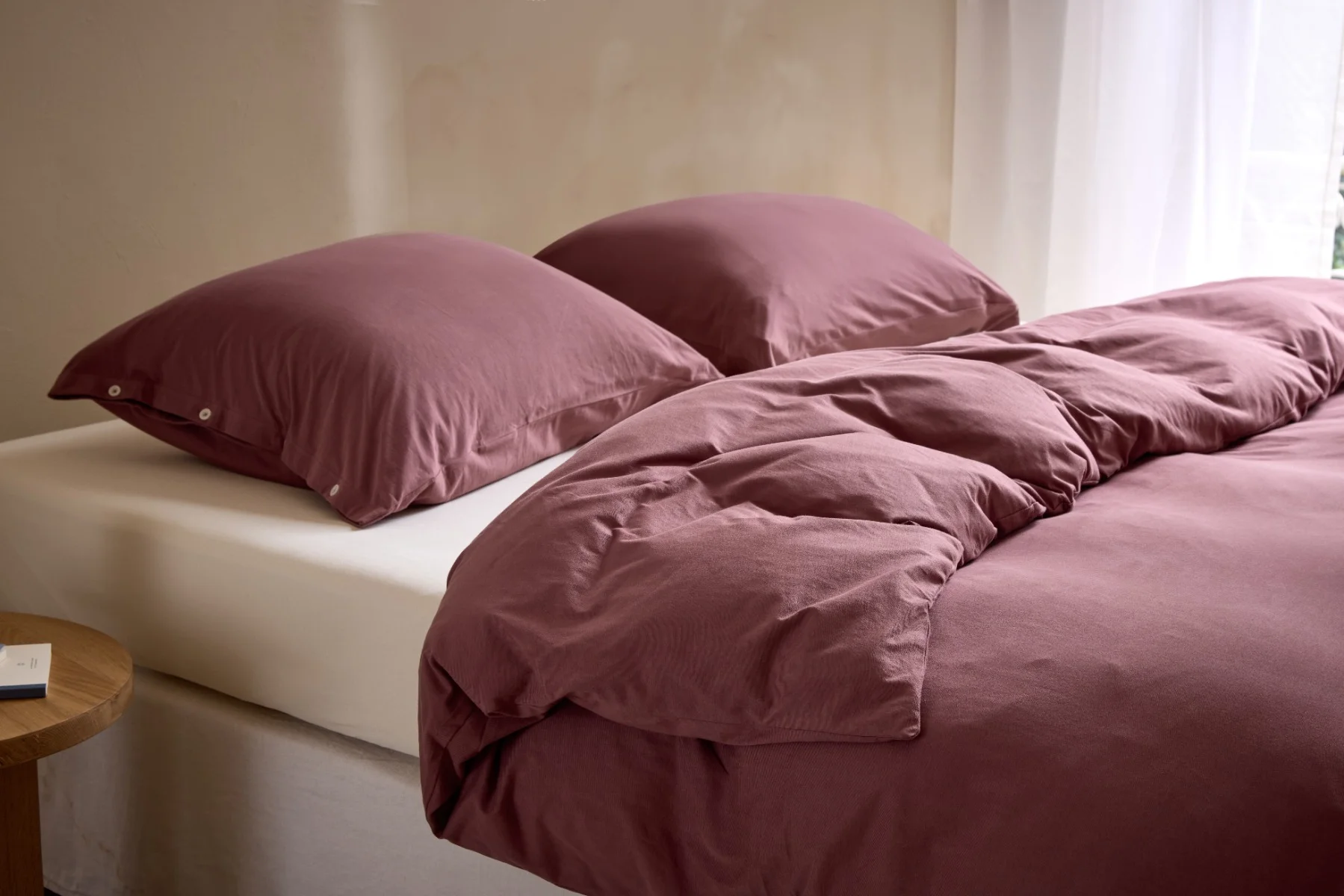
Also take a closer look at your duvet. The best duvet for night sweats is made from natural, breathable materials such as TENCEL™ or linen. Did you know that a linen duvet can absorb up to 20 percent of its own weight in moisture without feeling damp? A TENCEL™ duvet also regulates moisture and heat very effectively, helping you stay at the right temperature throughout the night.

Do you still suffer from night sweats despite these adjustments? Then contact your GP, especially if you are worried or suspect an underlying cause. Because although night sweats are often harmless, a good night’s sleep is far too important to leave to chance.

Sources: moetiknaardedokter.nl, Verpleeg Collectief, She Health, allesovervitamined.nl