What Can You Do About Snoring? Our Tips
What can you do about snoring? It’s a question many people struggle with. Since the causes of snoring vary, we’re happy to explain more—and share our tips.
Merino wool is known for its exceptional softness and warmth. A beautiful material that can stay lovely for years with the right care. But how should you wash this delicate type of wool? We explain everything you need to know about washing merino wool and how to keep your woollen items, such as a beautiful throw or a super-soft hot water bottle cover, in top condition. A little hint upfront: when washing merino wool, gentle care is key. With the right attention, your merino wool items will remain beautiful, soft and in shape for many years to come. Exactly what you want from a material that is as natural, sustainable and comfortable as merino wool.
Before we explain how to wash merino wool, it is good to know that woollen items do not get dirty quickly. One of the special qualities of merino wool is that it is naturally dirt-repellent and absorbs odours less easily. This means washing merino wool is not always necessary. For everyday merino wool care, it is often enough to air your woollen blanket, throw or garment regularly. Hang the item outside or in a well-ventilated room and it will feel fresh again in no time.
If you do decide that your merino wool needs washing, it is important to check what the care label advises. There are generally two options:
If the care label shows a circle with the letter P, often with a line underneath, professional dry cleaning is the right choice. The P indicates that the item can be cleaned using perchloroethylene, while the line underneath means a low temperature and the addition of water are required. Always inform the dry cleaner clearly about these instructions, as proper professional merino wool care can significantly extend the life of the item.
Do you see a hand symbol on the care label? Then you can consider washing your merino wool item yourself. How to wash merino wool at home? Follow these steps:
For some merino wool items, machine washing is possible, but only under specific conditions. Always choose the wool or hand-wash programme, with a temperature of no more than 30°C. Use a special merino wool detergent that does not damage the natural lanolin in the wool. Only use the washing machine if this is clearly stated on the care label.
After washing, the next question is whether you can spin merino wool. The short answer: preferably not, or only very gently. If you do choose to spin the item in the washing machine, use a very low speed and a short cycle. A better option is to roll the item in a towel and gently press out the excess water.
When drying merino wool, never use a tumble dryer and avoid direct sunlight or heat sources. Lay the item flat on a towel to dry, keeping it in its original shape. Do not pull it into shape while it is wet, as this can cause stretching or distortion. High-speed spinning or incorrect drying are the two main causes of shrinkage and deformation in merino wool.
An essential part of successfully washing merino wool is choosing the right detergent. Regular detergents often contain enzymes and bleaching agents that can damage wool fibres. A special merino wool detergent is pH-neutral and helps preserve the natural qualities of the wool.
There are various merino wool detergents available that are specifically developed for wool. These often contain lanolin, which keeps the wool soft and flexible. This is especially important when washing merino wool in the washing machine.

What can you do about snoring? It’s a question many people struggle with. Since the causes of snoring vary, we’re happy to explain more—and share our tips.

Silk has been valued for centuries because of its luxurious appearance and silky-soft feel. But what exactly is silk? We’d love to tell you more about this unique—yet not animal-friendly—material. Because what is silk made from, what is the difference between silk and satin, and what are animal-friendly alternatives? We’ll also answer other important questions, such as: should you choose a satin or silk pillowcase? And what is mulberry silk?

Read everything about the unique material TENCEL™. We answer questions like “what is TENCEL™ fabric?” and “what is TENCEL™ made from?”

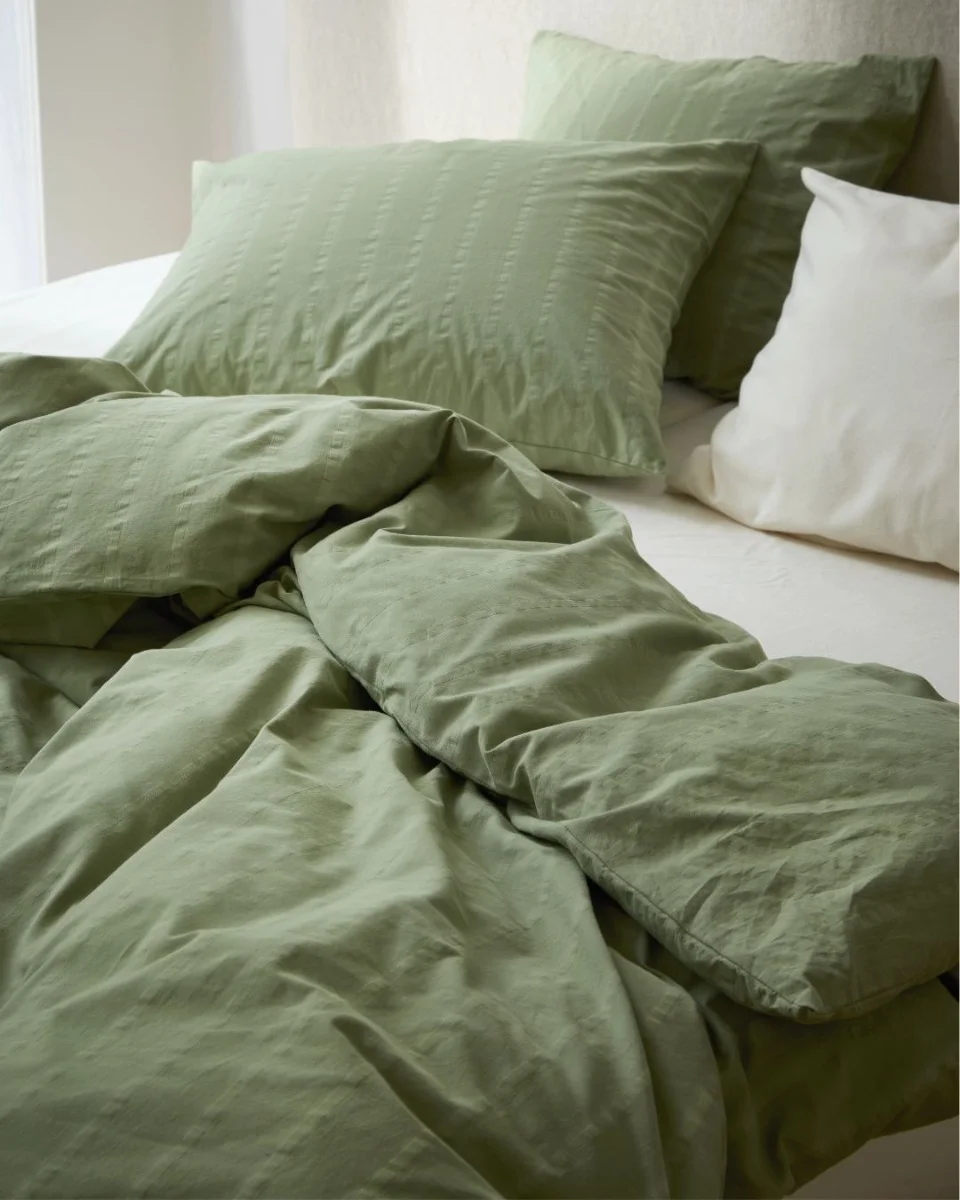
You may have heard of “seersucker” before—perhaps while shopping for clothing or seersucker bedding. This unique fabric is very popular, especially in warmer climates. It’s wonderfully comfortable to sleep under, but what exactly is seersucker? And what makes a seersucker duvet cover so comfortable? In this blog, we’ll tell you everything you need to know about seersucker fabric. A little spoiler: seersucker cotton is incredibly breathable and very easy to care for. For example, seersucker doesn’t need ironing—how convenient!

Satin takes your sleep experience to the next level. But what exactly is satin, how is it made, and what makes it so special? Read more here!

Linen is a beautiful fabric with lots of character and it’s incredibly durable. In this blog, we’ll tell you everything about it. You’ll discover more about the benefits of linen, its environmental impact, and how linen is made. But first…

One of our best-selling pillows is filled with the natural material kapok. But what exactly is kapok? Read all about it here!

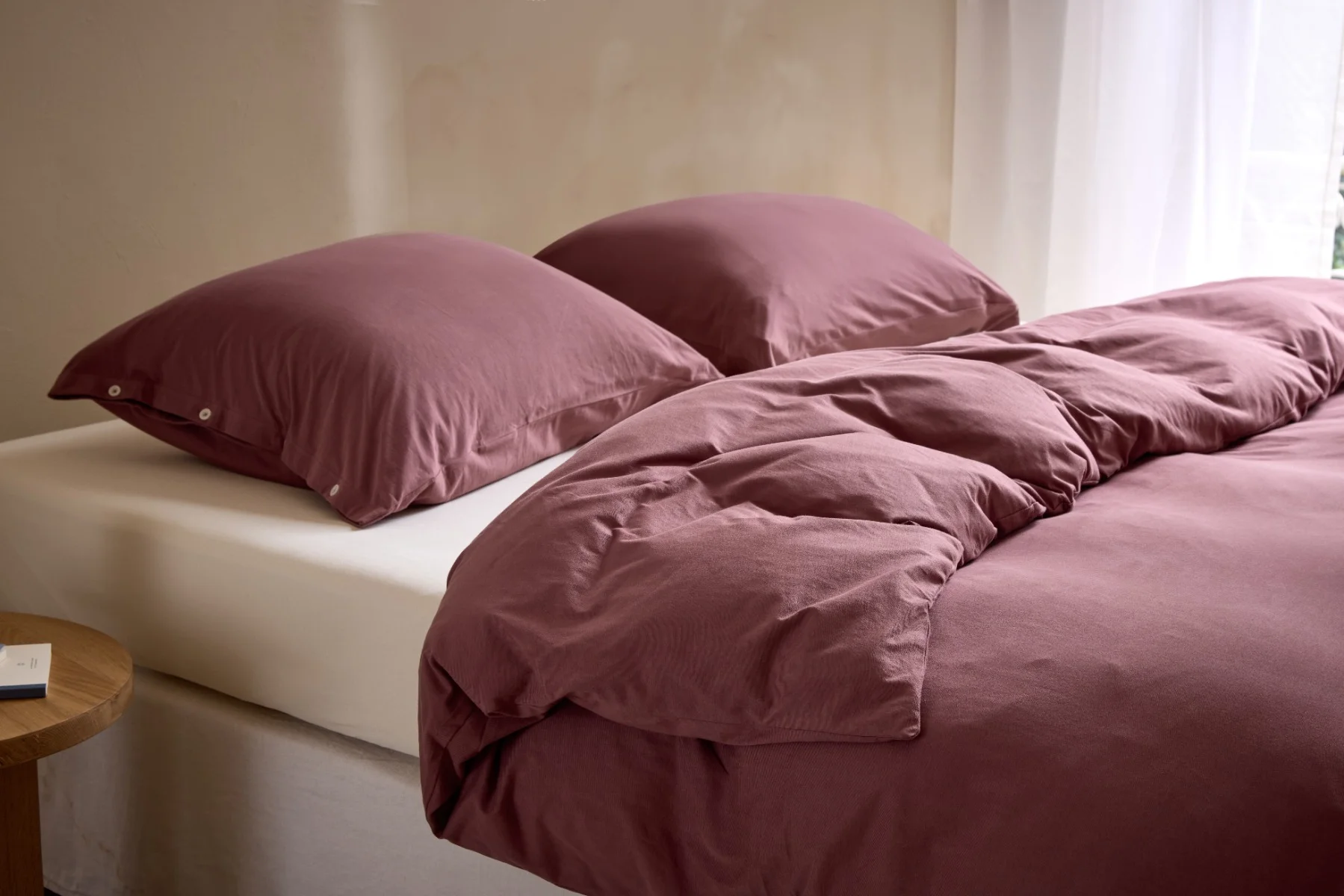
What is jersey cotton? And first of all: what is jersey fabric? Let’s dive into the world of this comfy material and discover why it’s so perfect for a good night’s sleep.

Flannel is a fabric that perfectly combines warmth and softness. But what exactly is flannel? In this blog, we’ll tell you everything about this special fabric and why we love it so much.

The question “what is Egyptian cotton?” comes up often—and that’s no surprise. How can you recognize Egyptian cotton, and is it worth the investment? We’ll explain it all in this blog.