What Can You Do About Snoring? Our Tips
What can you do about snoring? It’s a question many people struggle with. Since the causes of snoring vary, we’re happy to explain more—and share our tips.
Sleeping well depends greatly on choosing the right pillow. This includes different materials and firmness levels, but also different pillow sizes. The standard pillow size is 60 x 70 centimetres, but the ideal size for you depends on your sleeping preferences. Besides comfort, you can also play with different sizes to style your bedroom. Pillows are very important for the overall look and feel of your sleep space. By placing pillows in different sizes on your bed, you instantly create a hotel chic feel. Choose the right pillowcase sizes and you can give your bed a quick makeover in no time!

The most important pillow in the bedroom is, of course, your sleeping pillow. The right pillow size is essential for a good night’s sleep and proper support for your neck and head. Although different sizes are common around the world, the 60 x 70 pillow is the most popular size in the Netherlands.
A 60 x 70 pillow usually offers the best balance of comfort and support. Depending on your sleeping position, a different size may suit you better. You can also style your bed with decorative pillows in various sizes. This instantly gives your bedroom a stylish, hotel chic look. Below is a useful overview of the most common pillow sizes.
| Type of Pillow | Pillow Size |
| Standard Pillow | 60 x 70 cm |
Side Sleeper Pillow | 35 x 160 cm |
| Large Rectangular Pillow | 70 x 90 cm |
Children’s Pillow | 50 x 60 cm |
Decorative Pillow | 45 x 45, 50 x 50, 40 x 60 cm |

Just like pillow sizes, choosing the right pillowcase sizes is important for creating a comfortable and well-made bed. A pillowcase that fits properly prevents the pillow from slipping or excess fabric bunching up. The pillowcase size should always match the size of your pillow. For a 60 x 70 pillow, for example, choose a pillowcase in the same size: 60 x 70 cm.

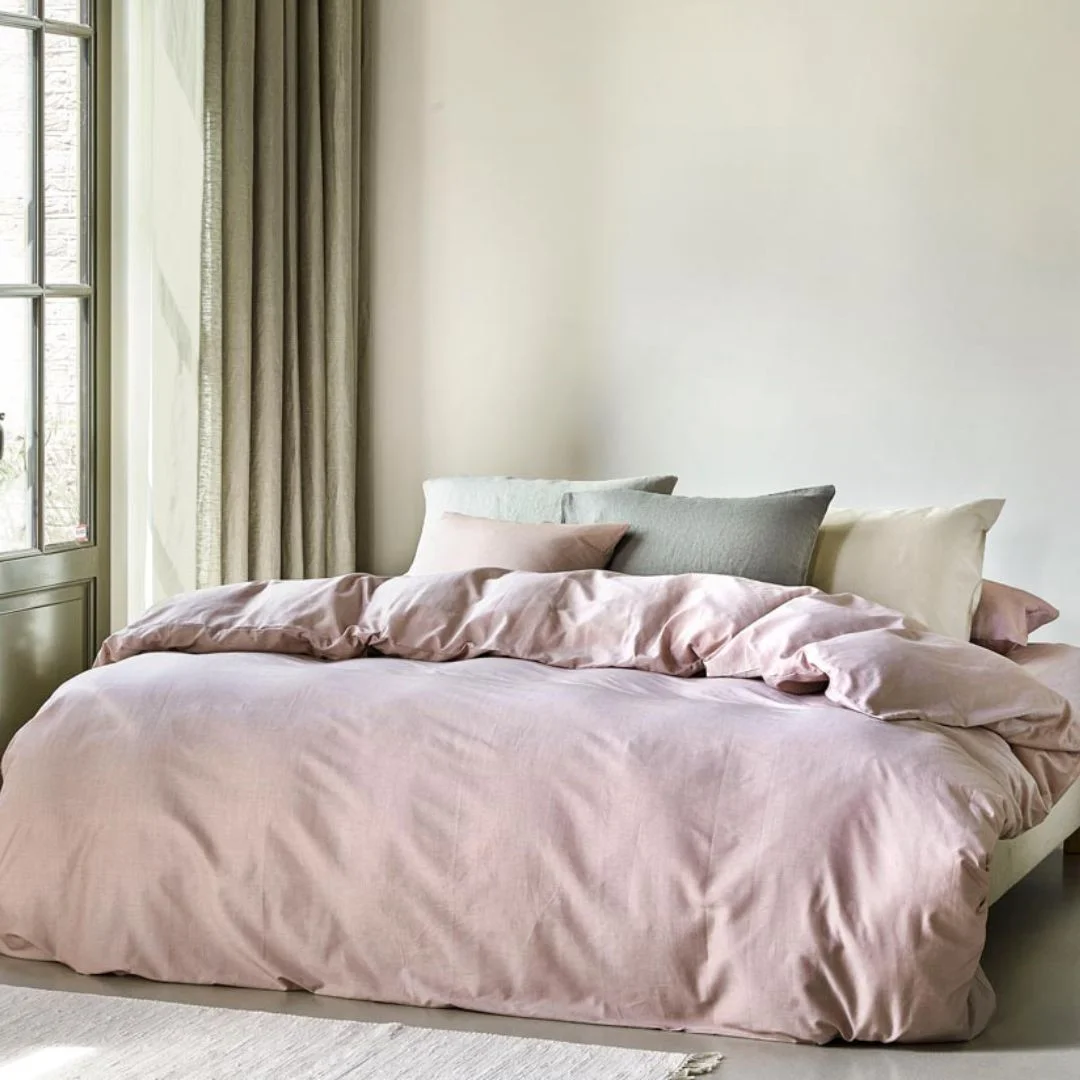
When styling your bedroom with pillows, it’s a good idea to make your bed with different pillow styles and sizes. Alongside standard sleeping pillows, you can choose decorative pillows in various sizes and materials — and even mix different shapes. This not only adds comfort but also gives your bedroom a chic look in an instant, just like in a hotel.
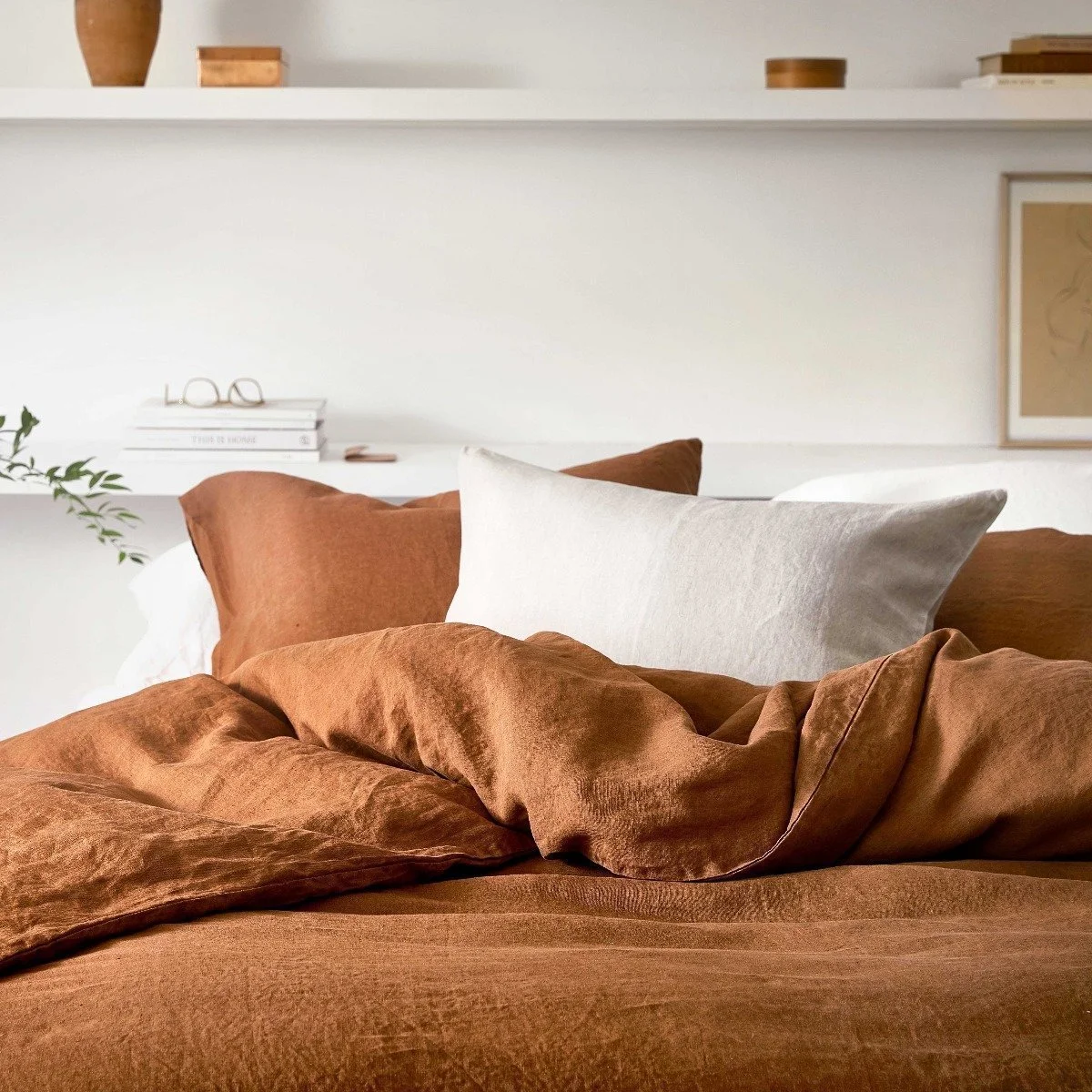
There are many ways to style pillows. If you prefer a minimalist look, choose extra pillows in the same colour as your bedding, but vary the materials. A combination of linen, cotton satin and perhaps a flannel pillowcase creates a stylish mix of textures without looking too busy. If you prefer a more playful and cosy look, go for a generous row of pillows. Mix different pillow sizes and pillowcases in various colours and prints for a relaxed, inviting feel.
Do you want comfort and style, but also want to make a sustainable and responsible choice? Then it’s important to look at the origin and materials of your pillows and pillowcases. Our cotton pillowcases, for example, carry the Global Organic Textile Standard and Fairtrade certifications. This means the cotton is 100% organic and sourced under fair trade conditions. Our linen is also an exceptionally sustainable choice. In fact, producing 1 kilo of linen for our collection requires around 90% less water than producing 1 kilo of conventional (non-organic) cotton.
Extra nice to know: at Yumeko, you’ll find pillowcases and pillows in many different sizes — all equally sustainable. Soft for you and soft for the planet. That’s what we call Change the World Sleeping.

What can you do about snoring? It’s a question many people struggle with. Since the causes of snoring vary, we’re happy to explain more—and share our tips.

Silk has been valued for centuries because of its luxurious appearance and silky-soft feel. But what exactly is silk? We’d love to tell you more about this unique—yet not animal-friendly—material. Because what is silk made from, what is the difference between silk and satin, and what are animal-friendly alternatives? We’ll also answer other important questions, such as: should you choose a satin or silk pillowcase? And what is mulberry silk?

Read everything about the unique material TENCEL™. We answer questions like “what is TENCEL™ fabric?” and “what is TENCEL™ made from?”

You may have heard of “seersucker” before—perhaps while shopping for clothing or seersucker bedding. This unique fabric is very popular, especially in warmer climates. It’s wonderfully comfortable to sleep under, but what exactly is seersucker? And what makes a seersucker duvet cover so comfortable? In this blog, we’ll tell you everything you need to know about seersucker fabric. A little spoiler: seersucker cotton is incredibly breathable and very easy to care for. For example, seersucker doesn’t need ironing—how convenient!

Satin takes your sleep experience to the next level. But what exactly is satin, how is it made, and what makes it so special? Read more here!

Linen is a beautiful fabric with lots of character and it’s incredibly durable. In this blog, we’ll tell you everything about it. You’ll discover more about the benefits of linen, its environmental impact, and how linen is made. But first…

One of our best-selling pillows is filled with the natural material kapok. But what exactly is kapok? Read all about it here!

What is jersey cotton? And first of all: what is jersey fabric? Let’s dive into the world of this comfy material and discover why it’s so perfect for a good night’s sleep.

Flannel is a fabric that perfectly combines warmth and softness. But what exactly is flannel? In this blog, we’ll tell you everything about this special fabric and why we love it so much.

The question “what is Egyptian cotton?” comes up often—and that’s no surprise. How can you recognize Egyptian cotton, and is it worth the investment? We’ll explain it all in this blog.