Your Sleep Rhythm Is the Conductor of Your Energy: This Is What You Need to Know

A good sleep rhythm is essential for your health, mood and productivity. But what actually determines when we sleep and wake up? And how can you optimise your sleep rhythm to have more energy? We take you into the fascinating world of our biological clock and discover how you can make it work in your favour.

Sessie_zonder_titel0141

What Is a Sleep Rhythm?

Your sleep rhythm is determined by two important processes: your internal clock and sleep pressure. The internal clock, also known as your biological clock, tells your body when it wants to sleep, wake up or eat. Light is crucial for your sleep rhythm: your body responds to the natural cycle of day and night by producing melatonin in the dark, which makes you feel sleepy. No wonder you may feel more tired during winter.

But what exactly is a sleep rhythm? It is a complex interaction of hormones, body temperature and brain waves that together follow a rhythm of about 24 hours. This rhythm can be disrupted by travelling across time zones or working irregular hours, which can mean it takes several days to feel balanced again.

Alongside your internal clock, sleep pressure plays an important role in your sleep rhythm. As soon as you wake up, sleep pressure starts to build. The longer you stay awake, the more you feel this pressure as tiredness. Physical activity during the day, for example, increases sleep pressure and helps support a healthy sleep rhythm.

The Best Sleep Rhythm for You

Is there such a thing as the best sleep rhythm? Scientific research shows that this differs from person to person. Some people feel fully rested after five or six hours of sleep, while others still struggle to get going after seven hours. Still, there are some guidelines that can help you find a good sleep rhythm.

One of the most important aspects of a healthy sleep rhythm is regularity. By going to bed and getting up at roughly the same time every day — even at weekends — you help your internal clock settle into a stable rhythm. Experts also advise not to spend more than eight hours in bed, as this can actually disturb your sleep–wake rhythm. Interestingly, this rhythm is very persistent and deeply rooted in our bodies through evolution. Even in extreme situations, such as living underground without daylight, the body maintains a form of sleep–wake rhythm. Fascinating, isn’t it?

Ontwerp_zonder_titel
Pinterest_Template_1_
Sleep Rhythm in Adults

As you’ve read, there is no universal sleep rhythm. Adults generally need up to around eight hours of sleep per night, but what truly works for you can vary. This also depends on age. As we get older, our sleep rhythm changes: we often sleep more lightly and may wake up several times during the night.

In short, a good sleep rhythm for adults takes your personal needs into account. It’s more important to listen to your body than to blindly aim for the “ideal” eight hours. Pay attention to how you feel after different amounts of sleep and adjust your rhythm accordingly.


Sleep Rhythm in Children

The sleep rhythm of children is very different from that of adults and changes with age. A three-year-old needs an average of twelve hours of sleep, while an eleven-year-old usually needs nine to ten hours.

The best tip for a healthy sleep rhythm? Children, like adults, benefit from a fixed bedtime routine. A predictable routine of 20 to 30 minutes with calm activities such as reading aloud helps children understand that it’s time to sleep. This routine not only creates structure, but is also a valuable moment of connection. Having fixed times to go to bed and wake up provides security and helps their biological clock develop.


Practical Tips for an Optimal Sleep Rhythm

A healthy sleep rhythm starts with good habits. Here are 5 practical tips:

  • Get up at roughly the same time every day, even at weekends.
  • Create a relaxing evening routine that prepares your body for sleep.
  • Limit exposure to blue light from screens in the evening.
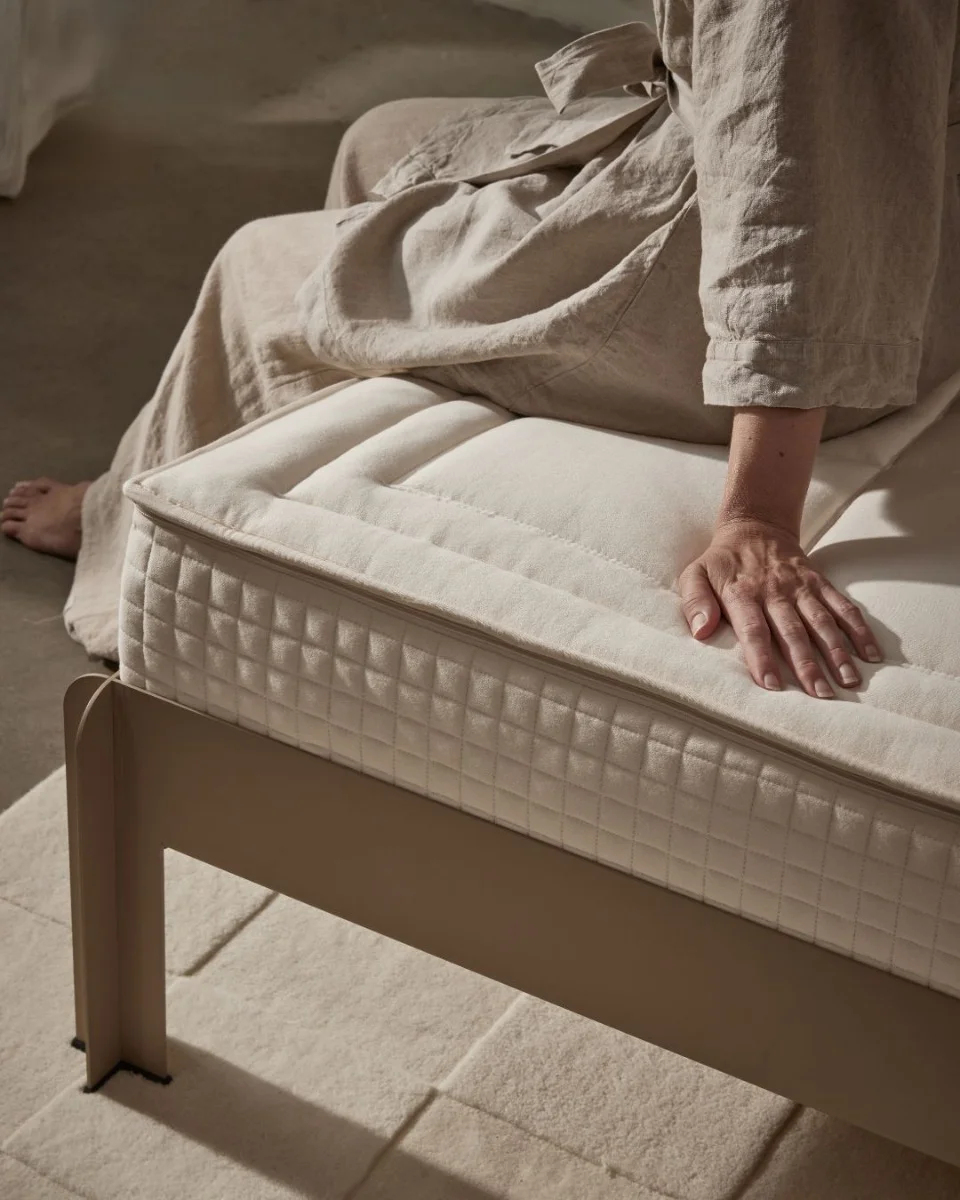
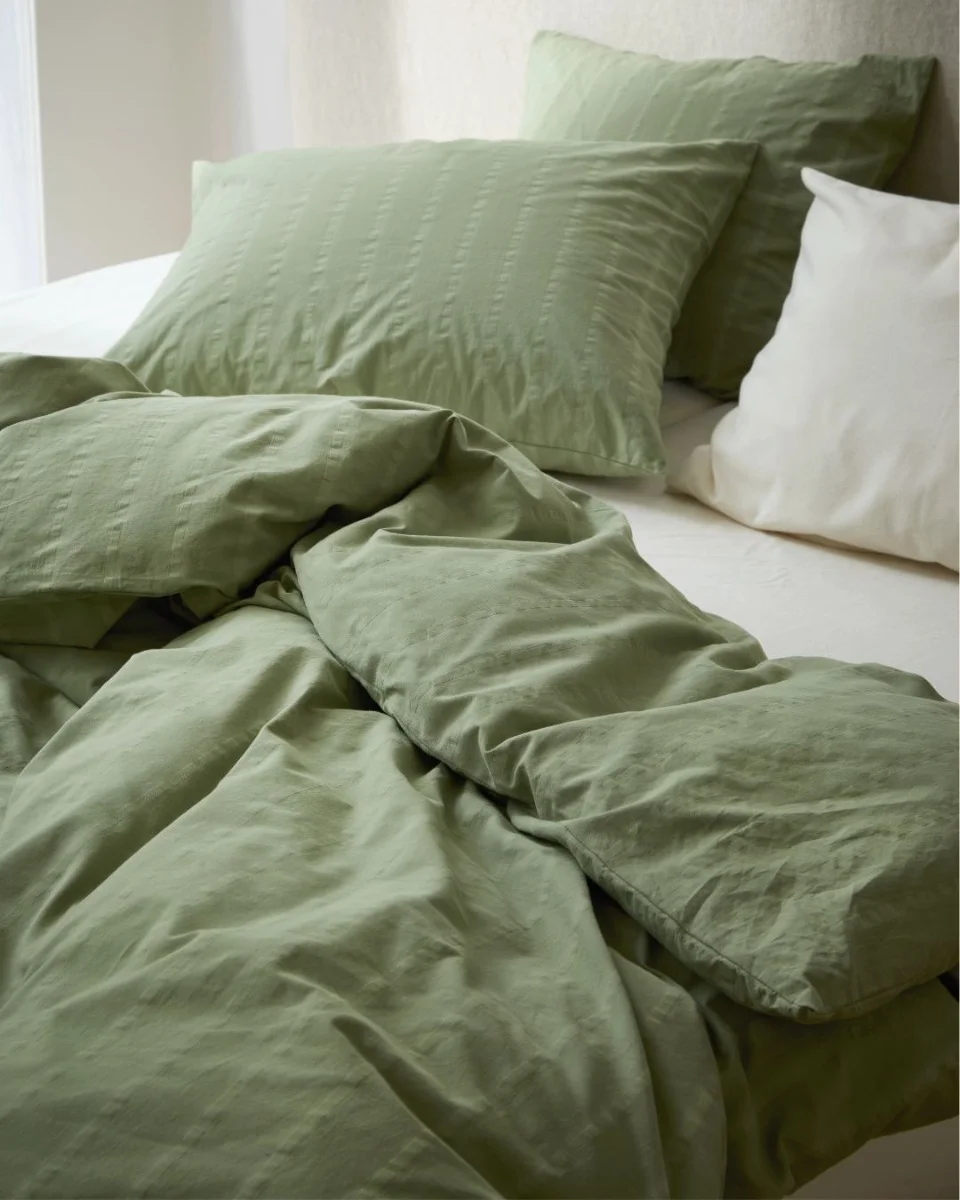
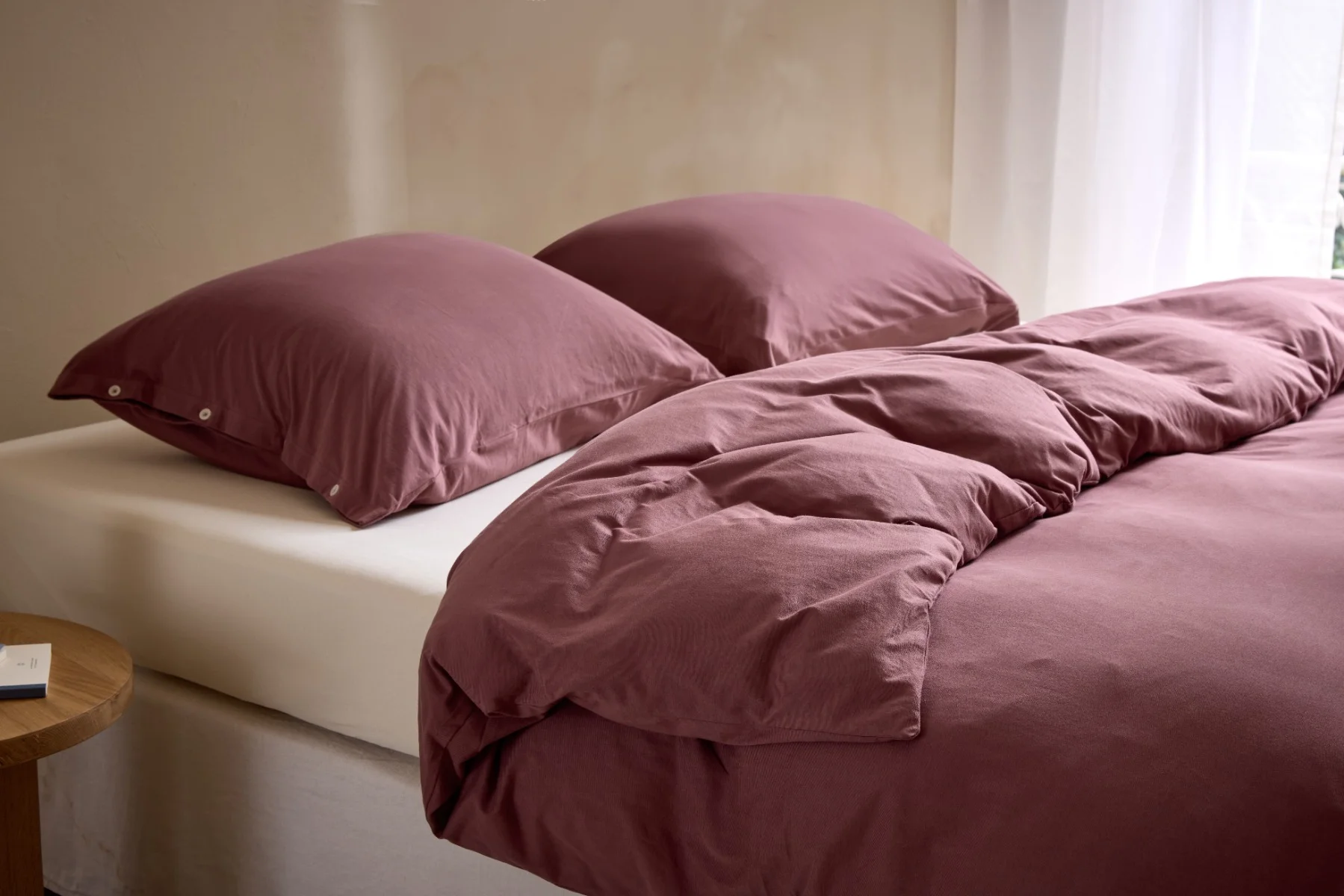
  • Make sure your bedroom is dark and cool, with comfortable bedding.
  • Stay physically active during the day to build up enough sleep pressure.

By applying these habits consistently, you help your body develop a natural and healthy sleep rhythm. And remember: your sleep rhythm is personal. What works for someone else may not work for you. Listen to your body and adjust your routine for the best rest and energy. Sleep well!


Sources: Gezondleven.be, Quest, Slapen.com, GGD, Thuisarts.nl