What Can You Do About Snoring? Our Tips
What can you do about snoring? It’s a question many people struggle with. Since the causes of snoring vary, we’re happy to explain more—and share our tips.
Want to have enough energy during the day to make your dreams come true? Then a good night’s sleep is essential. It all starts with a relaxing evening routine — but your sleeping position also plays a big role. So what is the best sleeping position? In this blog, we’ll tell you everything about different sleep positions and how they relate to your pillow and possible back or neck pain. For example: what is the best sleeping position if you snore? And what about the best sleeping position for lower back pain?

Although the best sleeping position differs from person to person, sleeping on your back is generally considered the best option by physiotherapists and researchers. Why? This position distributes your body weight evenly and reduces pressure points. That’s because when you sleep on your back, your head, neck and spine stay in a neutral position.
The best sleeping position is one that supports the natural curve of your spine and helps reduce tension in your neck, shoulders and back. Besides lying on your back, sleeping on your side can also be a great position. It’s especially ideal if you want to avoid snoring. Just make sure you support your body properly with a side sleeper pillow.
And what about sleeping on your stomach — is that a good sleeping position? In short, no. It’s the least ergonomic option, as it puts your neck and spine in an awkward position and can lead to discomfort or pain. If you still prefer sleeping on your stomach, place a pillow under your stomach and/or hips to help keep your body in a more neutral position.


The best sleeping position for you depends entirely on your needs and any health issues. So what is the best position for back and neck pain? Let’s take a look.
Waking up with lower back pain can be really frustrating — especially if it happens often and disturbs your rest. Want to prevent lower back pain? Sleeping on your back is the best option. In fact, this is generally the best sleeping position overall, particularly if you have back problems. Place a pillow under your knees to maintain the natural curve of your spine and reduce pressure on your lower back. Prefer sleeping on your side but suffer from back pain? Then put a pillow between your knees to relieve strain and improve alignment.
Neck pain can also appear or worsen if you don’t sleep in the right position. The best sleeping positions for neck pain are on your back or your side. Choose a pillow that fits your preferred position and keeps your spine in a neutral alignment. A good mattress is also essential for healthy posture and can help reduce neck pain. If you’re looking for a new mattress, pay attention to firmness and how well it matches your bed base. The materials and structure should also suit your favourite sleeping position.
Need help choosing? Check out our selection guide or book an appointment at our showroom — we’re happy to help you find the perfect match.
Source: Ruysdael Sleep Clinic

What can you do about snoring? It’s a question many people struggle with. Since the causes of snoring vary, we’re happy to explain more—and share our tips.

Silk has been valued for centuries because of its luxurious appearance and silky-soft feel. But what exactly is silk? We’d love to tell you more about this unique—yet not animal-friendly—material. Because what is silk made from, what is the difference between silk and satin, and what are animal-friendly alternatives? We’ll also answer other important questions, such as: should you choose a satin or silk pillowcase? And what is mulberry silk?

Read everything about the unique material TENCEL™. We answer questions like “what is TENCEL™ fabric?” and “what is TENCEL™ made from?”

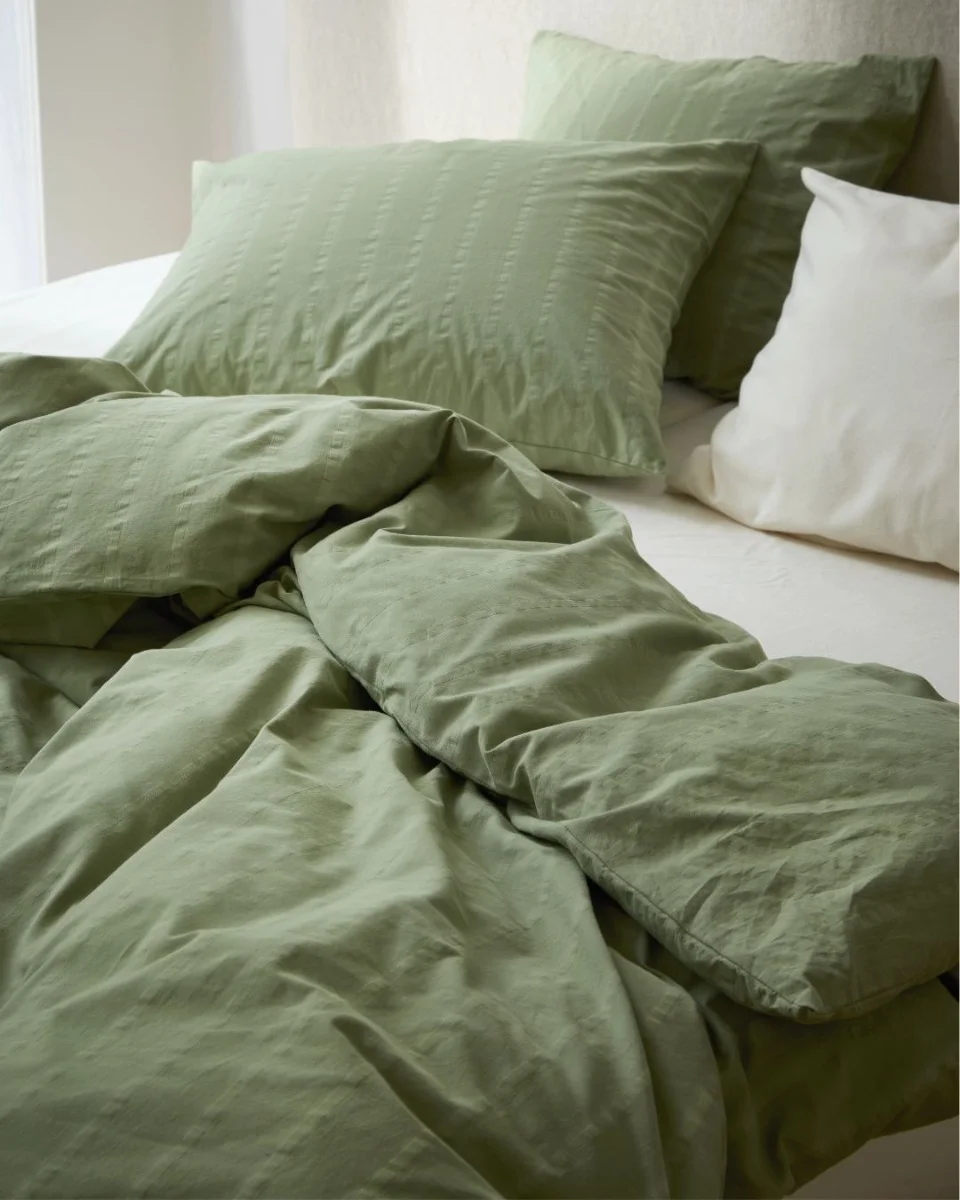
You may have heard of “seersucker” before—perhaps while shopping for clothing or seersucker bedding. This unique fabric is very popular, especially in warmer climates. It’s wonderfully comfortable to sleep under, but what exactly is seersucker? And what makes a seersucker duvet cover so comfortable? In this blog, we’ll tell you everything you need to know about seersucker fabric. A little spoiler: seersucker cotton is incredibly breathable and very easy to care for. For example, seersucker doesn’t need ironing—how convenient!

Satin takes your sleep experience to the next level. But what exactly is satin, how is it made, and what makes it so special? Read more here!

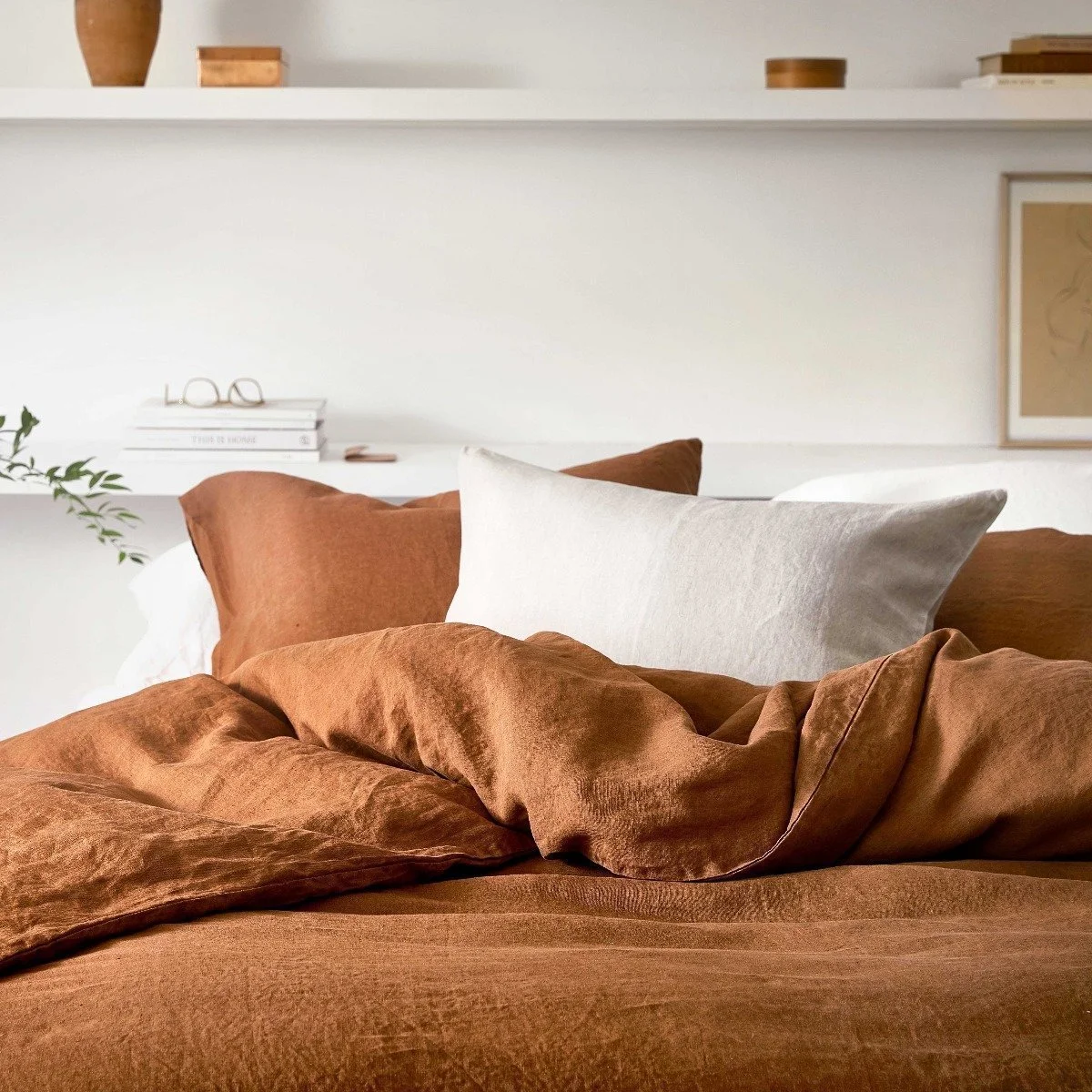
Linen is a beautiful fabric with lots of character and it’s incredibly durable. In this blog, we’ll tell you everything about it. You’ll discover more about the benefits of linen, its environmental impact, and how linen is made. But first…

One of our best-selling pillows is filled with the natural material kapok. But what exactly is kapok? Read all about it here!

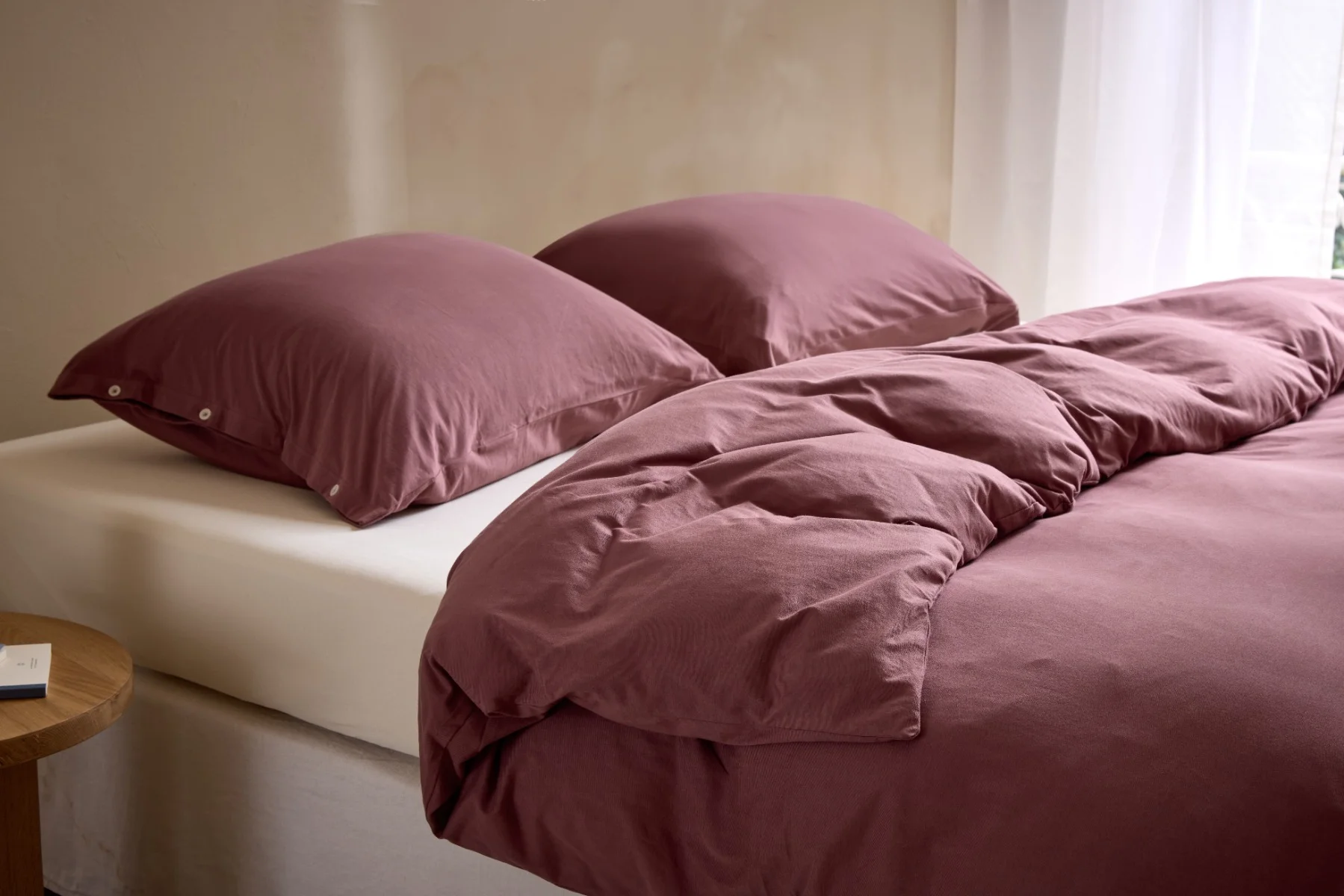
What is jersey cotton? And first of all: what is jersey fabric? Let’s dive into the world of this comfy material and discover why it’s so perfect for a good night’s sleep.

Flannel is a fabric that perfectly combines warmth and softness. But what exactly is flannel? In this blog, we’ll tell you everything about this special fabric and why we love it so much.

The question “what is Egyptian cotton?” comes up often—and that’s no surprise. How can you recognize Egyptian cotton, and is it worth the investment? We’ll explain it all in this blog.