Blue Monday? Not with a Good Night’s Sleep!

Blue Monday – known as the most depressing day of the year – has been a phenomenon for almost 20 years. The combination of winter cold, post-holiday blues and getting back into the daily routine can be a heavy burden for many people, often resulting in a gloomy Monday. But where does Blue Monday come from? And when exactly is it? We’ll tell you all about it — and of course, we’ll finish with some Blue Monday tips. Because how can you get through this day with a smile, despite everything? Here’s a hint: start with a good night’s sleep!

Tip_19
Tip_3

What Is Blue Monday?

What exactly is Blue Monday? The third Monday of January was labelled the most depressing day of the year in 2005 by British psychologist Cliff Arnall. And he didn’t do this at random — he came to that conclusion using a mathematical formula that took into account factors such as average temperature, hours of daylight and the number of days until the next holiday.


Should We Take Blue Monday Seriously?

So the question is: how seriously should we take this conclusion? Arnall’s formula was actually part of a marketing campaign for a travel company. After all, a gloomy day is a perfect reason to book a sunny holiday! On the other hand, depression is among the ten most common mental health disorders in the Netherlands. About three in every hundred people suffer from seasonal affective disorder, and research shows that reduced sunlight really can contribute to a winter dip. When it’s dark, your body produces more melatonin, which makes you sleepy. A lack of sunlight — and therefore of vitamin D — also reduces serotonin levels, which can play a role in winter depression. So it’s quite a serious matter after all!

3

Blue Monday Tips

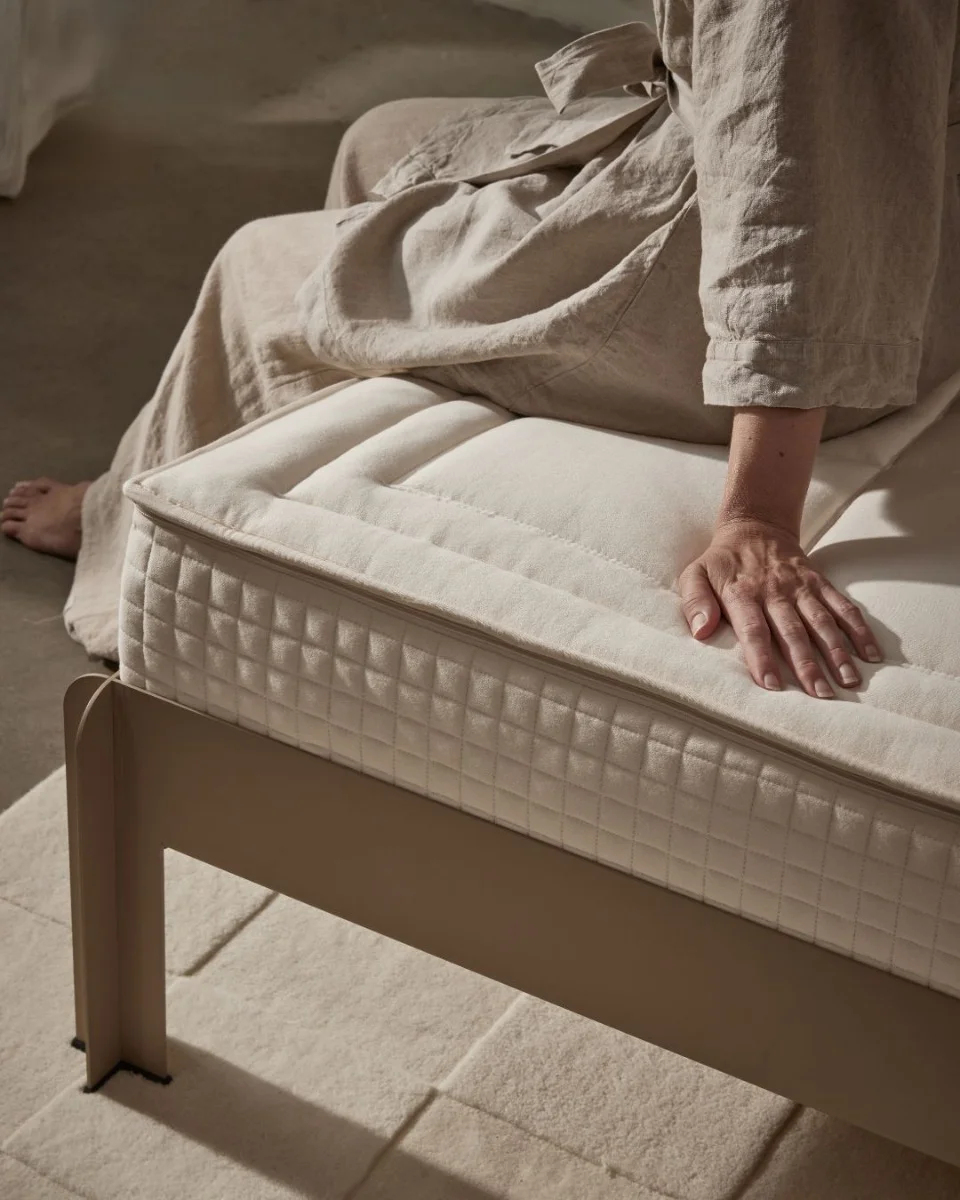
Whether or not the third Monday of January is truly the most depressing day of the year, it’s good to be prepared. That’s why we’re happy to share some Blue Monday tips — starting with getting a good night’s sleep. Sleep is incredibly important. Chronic sleep deprivation can lead to depression, a weakened immune system and even illnesses like Alzheimer’s. But even one bad night’s sleep can have an impact. Lack of sleep increases activity in the amygdala, the part of the brain that controls emotions. When you sleep too little, this area becomes more active, causing stronger emotional reactions — both positive and negative.


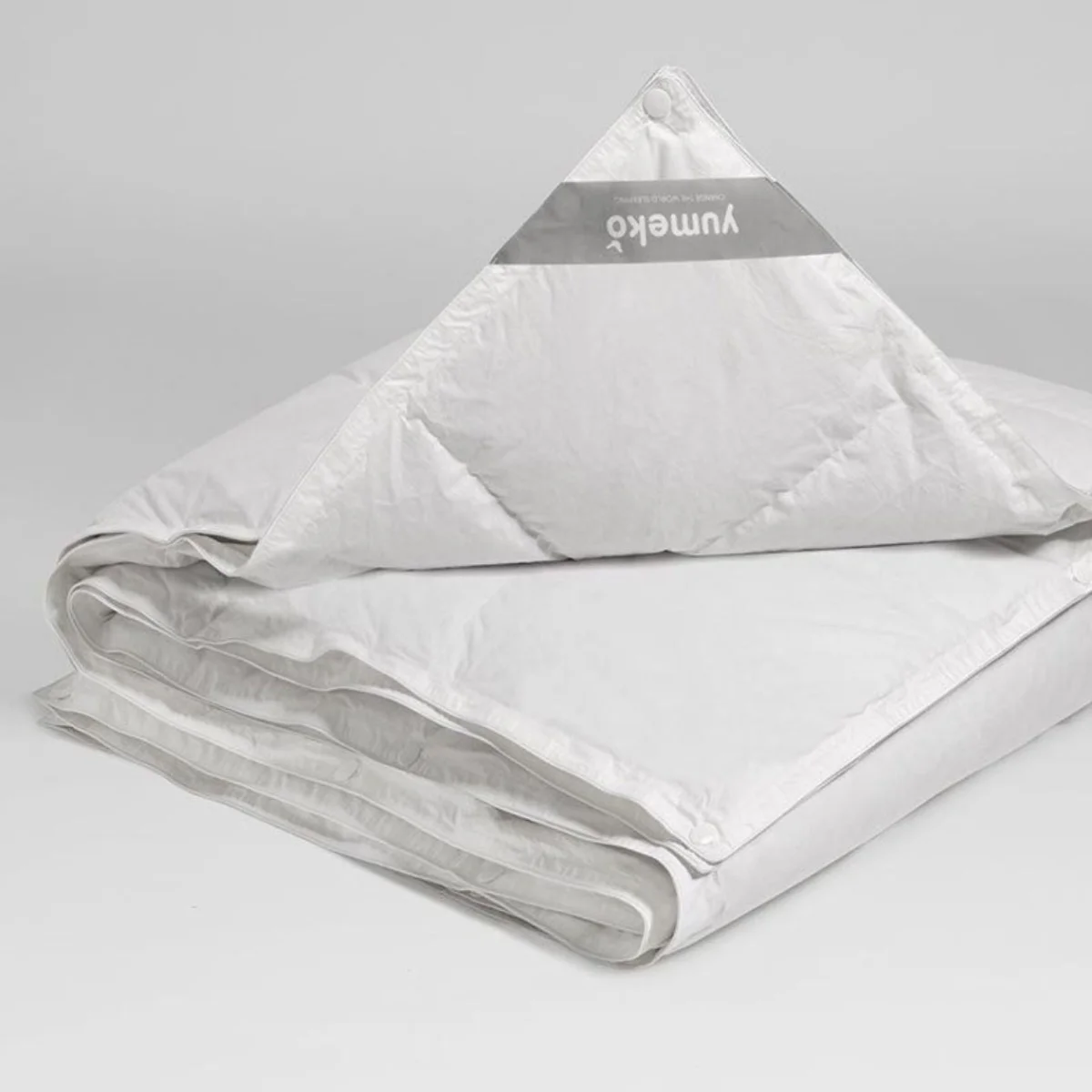
Besides sleeping well, you can also focus on some of the variables from the Blue Monday formula. Blue Monday is often linked to cold weather and limited daylight, so make sure you stay warm and cosy. Use a soft, warm winter duvet and snuggle up in bed, on the sofa or even at your desk with a hot water bottle. If you can take the day off, treat yourself to a relaxing spa day for some extra warmth. Or get active — go for a walk or do some exercise outdoors to beat the Monday blues.


Sources: Quest, Gezond Leven