What Can You Do About Snoring? Our Tips
What can you do about snoring? It’s a question many people struggle with. Since the causes of snoring vary, we’re happy to explain more—and share our tips.
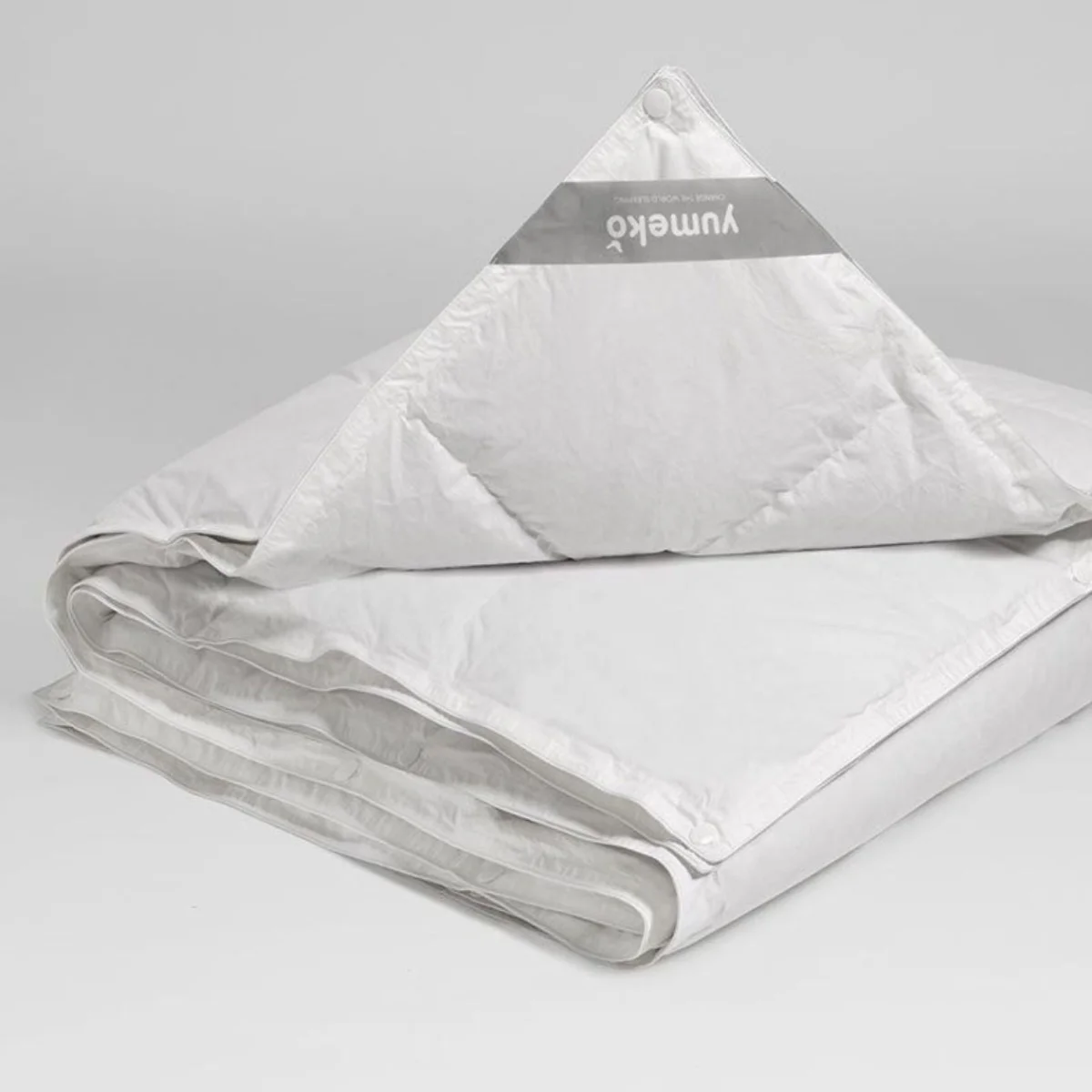
Sleeping well is closely linked to having a comfortable duvet. But how do you keep your down duvet fresh? You might think: I’ll just wash my down duvet right away. But can you steam or wash a down duvet? And how do you do that without shortening its lifespan? Before we explain everything about this, we first share a few steps you can take to keep your duvet fresh. Is cleaning your down duvet really necessary? We’ll also give you some important tips for that. In short, follow our step-by-step plan!

Washing your down duvet is not something you should do too quickly. First check whether it is really necessary. Ideally, you leave the soft down exactly as it is. Duck or goose down is extremely fluffy, which gives it its excellent insulation and airy structure. And of course, you don’t want to ruin that cosy feel. Down needs careful treatment to keep its loft and insulating qualities. To keep your duvet as fresh as possible every day, it’s important to ventilate your bedroom well and fold your duvet back in the morning.
Hang your duvet outside regularly when the weather is dry. Airing your duvet outdoors helps keep it fresh and removes any moisture. This is especially important because down easily holds onto moisture, which can lead to unpleasant smells or even mould or bacteria — and that is the last thing you want!
When you see a stain on your duvet, there is no need to wash the entire down duvet. Instead, choose spot cleaning to keep your duvet clean. Use a mild, natural cleaner and a clean white cloth, and gently dab the stain. Do not rub, as this can push the stain deeper into the fabric and damage the down. Then rinse the cleaned area with a little water and let your down duvet dry. It is crucial that the duvet dries completely. Hang it outside in the fresh air, preferably on a sunny day. Natural drying helps maintain the freshness of the down.
Even though you will find many tips online about washing a down duvet in your washing machine, we always recommend having any down-filled duvet cleaned professionally. This ensures that the delicate down fibres are treated properly and helps extend the lifespan of your duvet.
So do you really want to steam or wash your down duvet? Then seriously consider outsourcing it to a professional cleaning service. The care label on your duvet contains important information. On Yumeko’s down duvets, you will find a ‘P’ inside a circle with a line underneath. This means the duvet can be steamed with perchloroethylene and must be treated at a low temperature.

Want to know more about washing your duck down duvet? Check the care instructions carefully and feel free to ask the (online) store where you bought your duvet for advice! These steps are of course just as important for washing your goose down duvet. Following the correct care instructions and seeking professional guidance helps maintain the quality and durability of your duvet.


What can you do about snoring? It’s a question many people struggle with. Since the causes of snoring vary, we’re happy to explain more—and share our tips.

Silk has been valued for centuries because of its luxurious appearance and silky-soft feel. But what exactly is silk? We’d love to tell you more about this unique—yet not animal-friendly—material. Because what is silk made from, what is the difference between silk and satin, and what are animal-friendly alternatives? We’ll also answer other important questions, such as: should you choose a satin or silk pillowcase? And what is mulberry silk?

Read everything about the unique material TENCEL™. We answer questions like “what is TENCEL™ fabric?” and “what is TENCEL™ made from?”

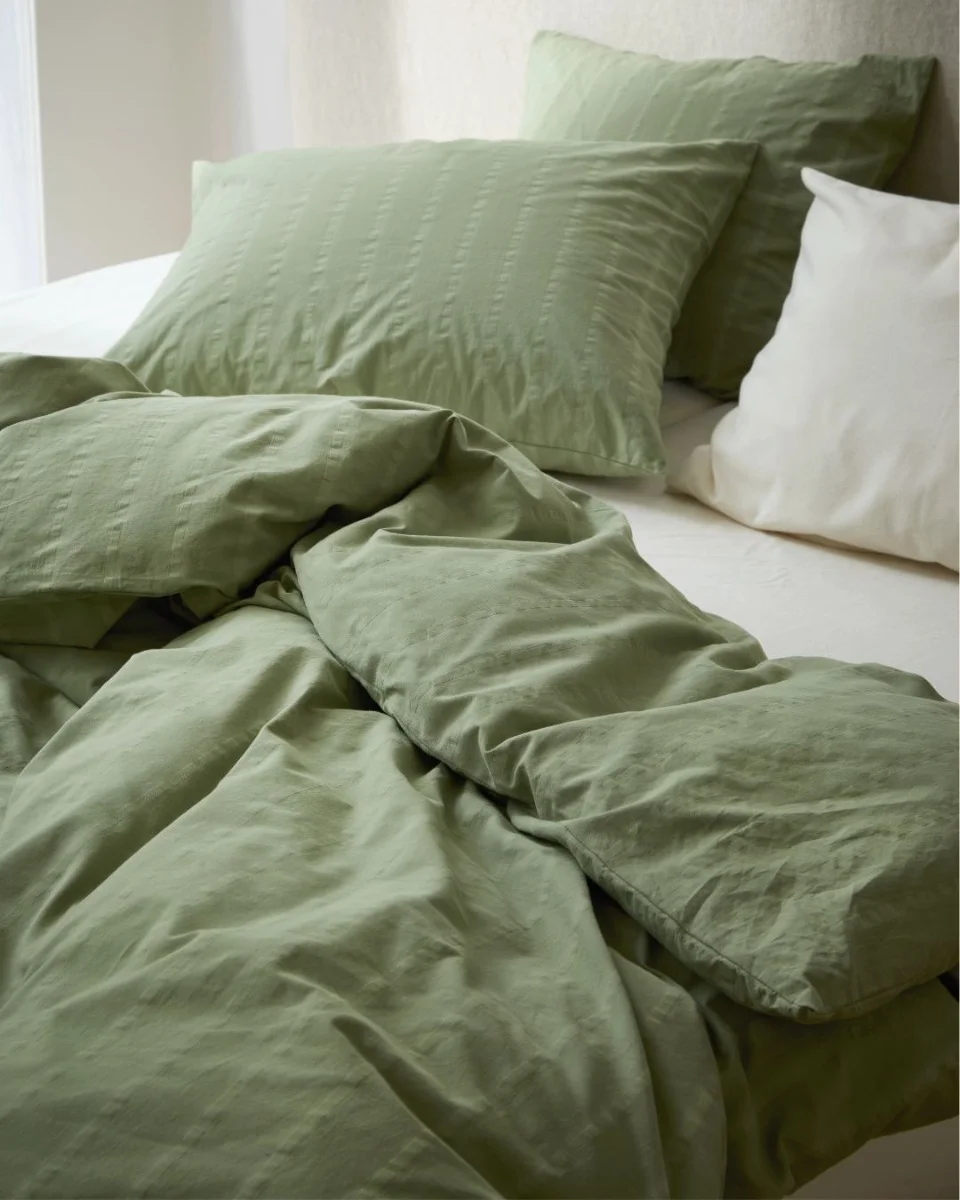
You may have heard of “seersucker” before—perhaps while shopping for clothing or seersucker bedding. This unique fabric is very popular, especially in warmer climates. It’s wonderfully comfortable to sleep under, but what exactly is seersucker? And what makes a seersucker duvet cover so comfortable? In this blog, we’ll tell you everything you need to know about seersucker fabric. A little spoiler: seersucker cotton is incredibly breathable and very easy to care for. For example, seersucker doesn’t need ironing—how convenient!

Satin takes your sleep experience to the next level. But what exactly is satin, how is it made, and what makes it so special? Read more here!

Linen is a beautiful fabric with lots of character and it’s incredibly durable. In this blog, we’ll tell you everything about it. You’ll discover more about the benefits of linen, its environmental impact, and how linen is made. But first…

One of our best-selling pillows is filled with the natural material kapok. But what exactly is kapok? Read all about it here!

What is jersey cotton? And first of all: what is jersey fabric? Let’s dive into the world of this comfy material and discover why it’s so perfect for a good night’s sleep.

Flannel is a fabric that perfectly combines warmth and softness. But what exactly is flannel? In this blog, we’ll tell you everything about this special fabric and why we love it so much.

The question “what is Egyptian cotton?” comes up often—and that’s no surprise. How can you recognize Egyptian cotton, and is it worth the investment? We’ll explain it all in this blog.