What Can You Do About Snoring? Our Tips
What can you do about snoring? It’s a question many people struggle with. Since the causes of snoring vary, we’re happy to explain more—and share our tips.
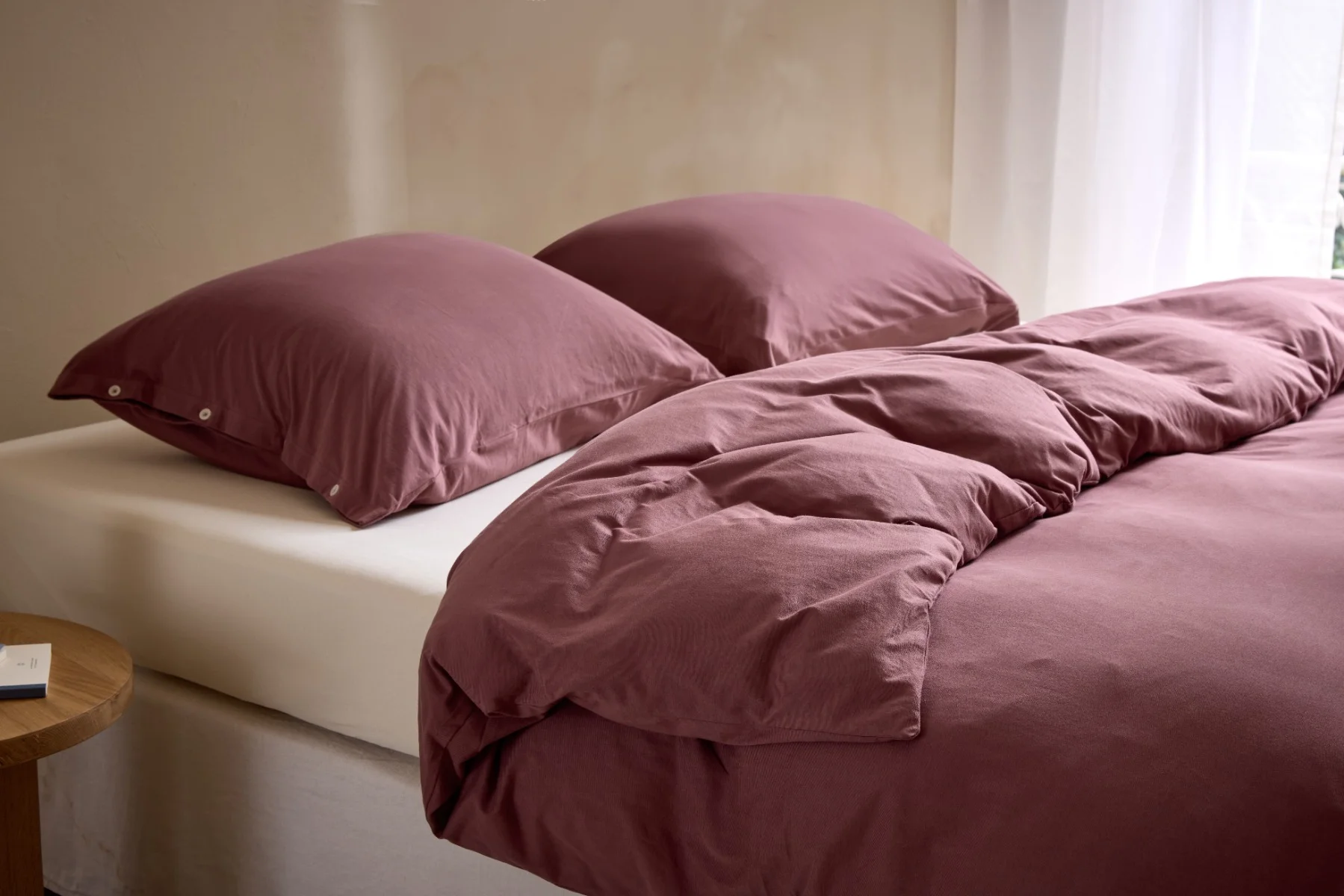
Sleeping comfortably every night — that’s something you naturally want to do in a clean, fresh bed. But how often should you change your bed sheets? We answer the most frequently asked questions about changing your bedding. Is changing your bed once a month enough, for example? And how often should you wash a mattress protector? We finish with 5 helpful and sustainable tips for keeping your bed fresh between washes.

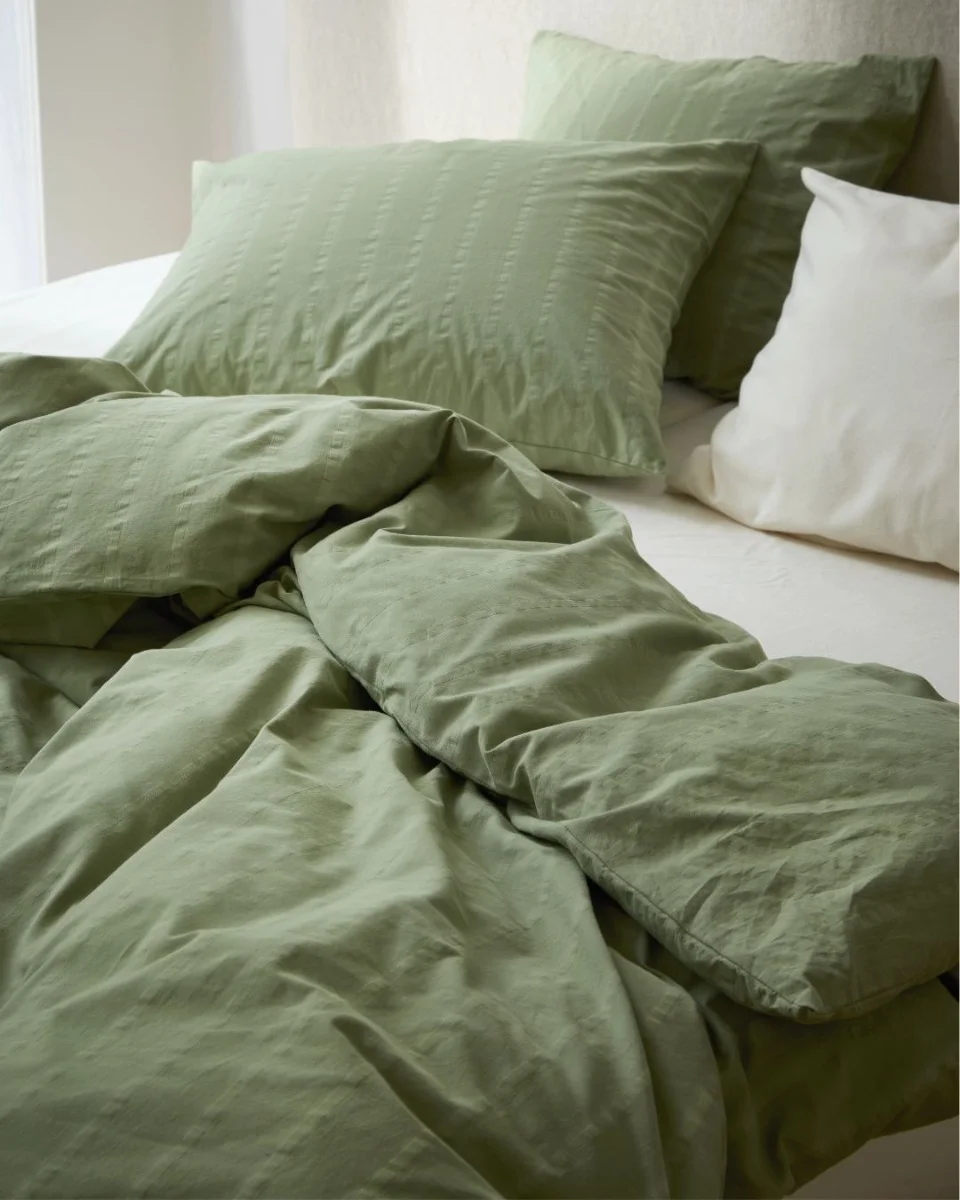
The answer to “how often should you change your bed sheets” depends on several factors, such as your personal hygiene, any allergies and the environment you live in. But how often is it generally recommended? In most cases, you should change your bed sheets once a week. Washing your fitted sheets, pillowcases and duvet cover weekly helps prevent sweat, skin flakes and dust mites from causing unpleasant smells. If you suffer from allergies or asthma, it becomes even more important to wash your bedding regularly.
The answer is clear: no. If you wait an entire month to change your bed, dirt and bacteria get free rein — and that’s not something you want in your bed. Especially if you have allergic reactions to dust or other triggers, changing your bed only once a month can create an unhygienic sleeping environment and lead to health issues. That’s why it’s much better to change your bedding weekly instead of once a month.

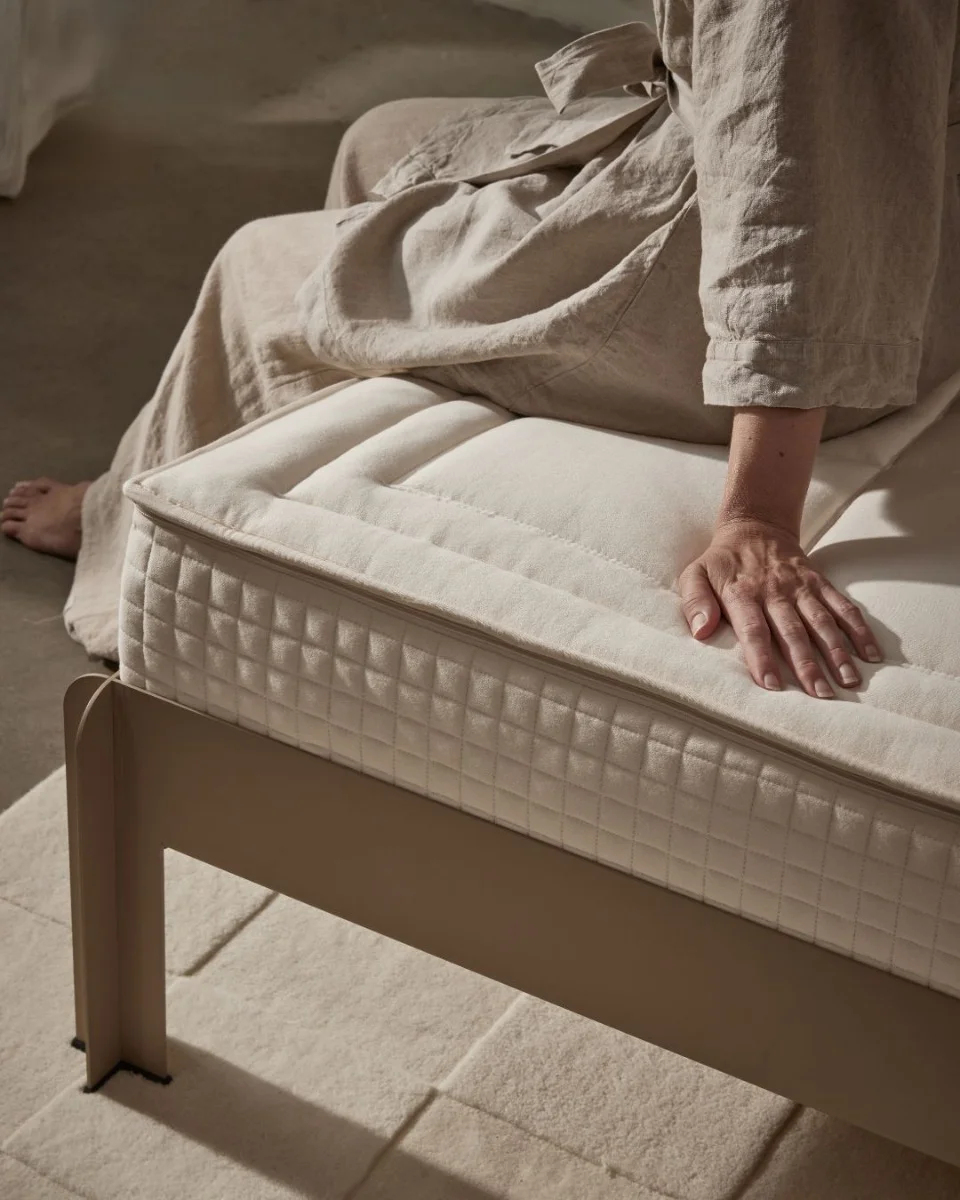
If you use a mattress protector (also called a molton), we recommend washing it once a month. A mattress protector is an extra layer between your mattress and your bedding and protects your mattress from dirt and moisture. Ideal — because you can’t wash a mattress, but you can wash a protector! It keeps everything fresh and helps extend the life of your (clean) mattress.

We’ve now answered “how often should you change your bed sheets?”, but it’s also nice to have some tips to help keep your bed fresh between washes. Of course, we keep sustainability in mind. Good care means a longer lifespan for your bedding. Choose ecological detergent and environmentally friendly washing programmes where possible.
One of the easiest ways to keep your bed fresh is to ventilate your bedroom daily. Open a window — ideally in the morning right after you wake up. And did you know that a well-ventilated room reduces the growth of mould and dust mites?
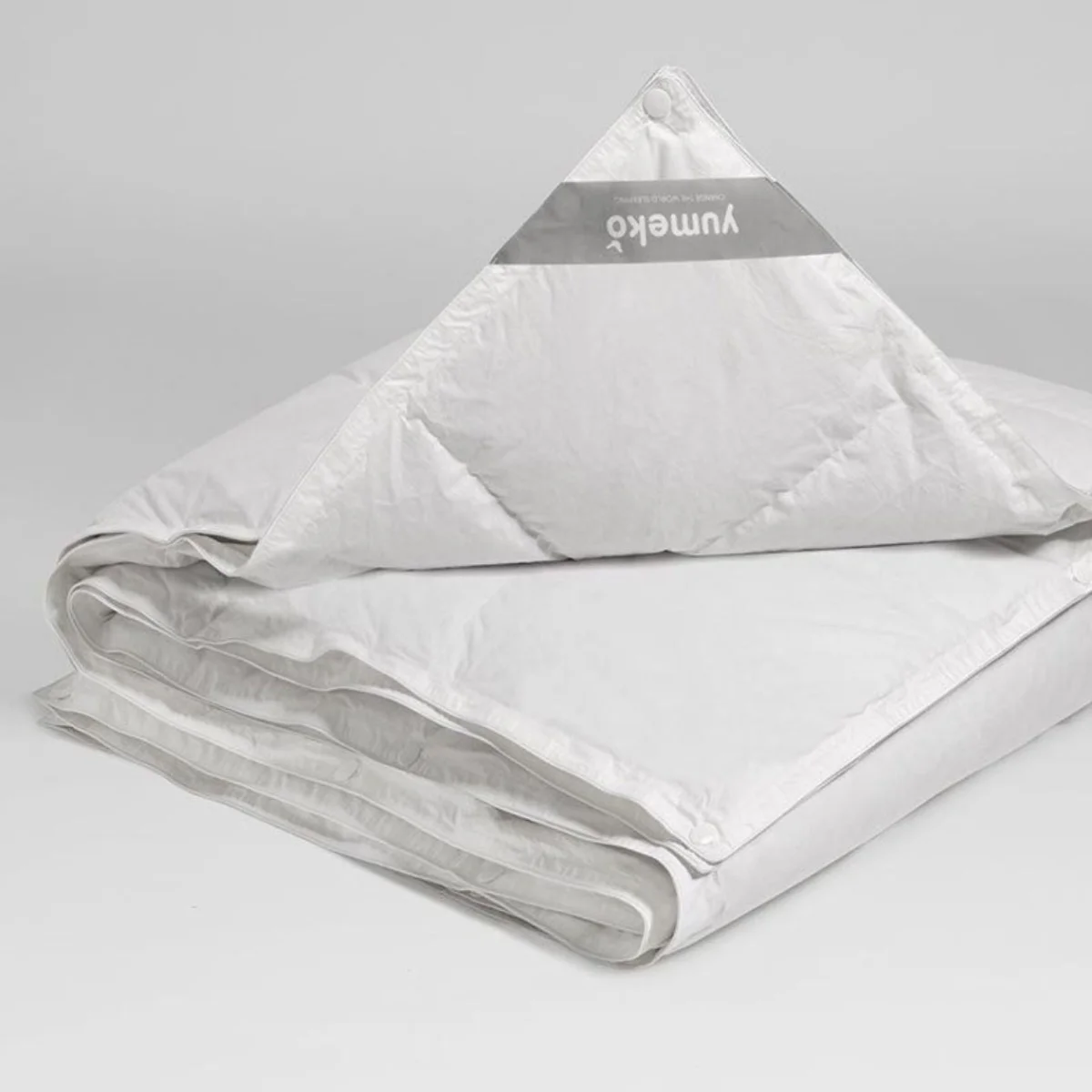
Once the window is open, it’s time to fold back your duvet every morning. Avoid laying your duvet fully over your mattress. By folding it back, you allow your mattress and duvet to ventilate. Fresh and clean — and it even extends their lifespan!
Your mattress deserves attention too. Air it out regularly by leaving it without bedding for a few hours. Also turn your mattress from time to time to reduce wear and extend its lifespan.
We mentioned the mattress protector earlier, but it’s also a great tip for keeping your mattress clean. These protectors are washable and act as a barrier against dirt, sweat and allergens.
Vacuuming your bedroom is always a good idea. Don’t forget the space under your bed — this helps reduce dust build-up and dust mites. It keeps the air quality in your bedroom fresh. Sleep well!
We dream of a world where everyone sleeps better. We make this happen by creating sustainable bedding and bath products of the highest quality. This way, we offer you luxurious and soft bedding that helps you enjoy a wonderful night’s rest. And we also love to inform you — for example by answering the question “how often should you change your bed sheets?”
Want to stay up to date? Enter your email address to receive the Yumeko newsletter with great offers and discounts, interesting information and new products. For even more updates, follow us on Instagram!

What can you do about snoring? It’s a question many people struggle with. Since the causes of snoring vary, we’re happy to explain more—and share our tips.

Silk has been valued for centuries because of its luxurious appearance and silky-soft feel. But what exactly is silk? We’d love to tell you more about this unique—yet not animal-friendly—material. Because what is silk made from, what is the difference between silk and satin, and what are animal-friendly alternatives? We’ll also answer other important questions, such as: should you choose a satin or silk pillowcase? And what is mulberry silk?

Read everything about the unique material TENCEL™. We answer questions like “what is TENCEL™ fabric?” and “what is TENCEL™ made from?”

You may have heard of “seersucker” before—perhaps while shopping for clothing or seersucker bedding. This unique fabric is very popular, especially in warmer climates. It’s wonderfully comfortable to sleep under, but what exactly is seersucker? And what makes a seersucker duvet cover so comfortable? In this blog, we’ll tell you everything you need to know about seersucker fabric. A little spoiler: seersucker cotton is incredibly breathable and very easy to care for. For example, seersucker doesn’t need ironing—how convenient!

Satin takes your sleep experience to the next level. But what exactly is satin, how is it made, and what makes it so special? Read more here!

Linen is a beautiful fabric with lots of character and it’s incredibly durable. In this blog, we’ll tell you everything about it. You’ll discover more about the benefits of linen, its environmental impact, and how linen is made. But first…

One of our best-selling pillows is filled with the natural material kapok. But what exactly is kapok? Read all about it here!

What is jersey cotton? And first of all: what is jersey fabric? Let’s dive into the world of this comfy material and discover why it’s so perfect for a good night’s sleep.

Flannel is a fabric that perfectly combines warmth and softness. But what exactly is flannel? In this blog, we’ll tell you everything about this special fabric and why we love it so much.

The question “what is Egyptian cotton?” comes up often—and that’s no surprise. How can you recognize Egyptian cotton, and is it worth the investment? We’ll explain it all in this blog.