What Is Linen?

At Yumeko, we are constantly searching for sustainable fabrics with a small ecological footprint that also feel wonderful to the touch. Linen fits this description perfectly. It’s a beautiful fabric with lots of character and it’s incredibly durable. In this blog, we’ll tell you everything about it. You’ll discover more about the benefits of linen, its environmental impact, and how linen is made. But first… 

From Which Plant Is Linen Made? 

Busy solving a puzzle? Then you’ve probably come across this question (or the alternative: “from which plant is linen made?”). Luckily, we know the answer. Linen is made from the stems of the flax plant. Curious about how the production process works? Read on below. 

linnen2

How Is Linen Made? 

The flax we use for our products comes from Europe. It grows in large fields on soil that requires few nutrients, such as sandy or clay soil. In Europe, flax is sown in March and harvested in July. The harvesting is done mechanically. 


After the plants are pulled from the ground, they are left lying in the fields for a while. Exposure to moisture in the air and sunlight loosens the usable fibers. Farmers regularly turn the flax so that each stem undergoes the retting process evenly. Once the flax is dry, the usable fibers are separated from the rest. The raw flax is transformed into a soft fiber. This process is also carried out with the help of machines and is known as scutching or hackling. 


Next, the soft fibers are spun into yarn. This yarn is then woven into fabric, dyed (or bleached) in the desired color, and washed. Linen can also be used undyed and unbleached for a natural color. Finally, the fabric is turned into beautiful bedding. 

Is Linen Sustainable? 

The short answer? Yes linen is sustainable. In fact, it’s extremely sustainable. The ecological footprint of linen is very small, making it more sustainable (and better for people, animals, and the planet) than many alternatives. Here’s why: 


Linen is made from flax, a strong plant that has few natural enemies such as insects or diseases. As a result, chemical pesticides are rarely needed, preventing harmful substances from entering nature. That’s good for the planet. To produce 1 kilogram of linen for our linen collection, only about 116 liters of water are required. That’s around 90% less water than is needed to produce 1 kilogram of bedding made from conventional (non-organic) cotton. In addition, the flax for our linen grows in water-rich regions, meaning less artificial irrigation is required. 


In Western Europe where our linen is produced strict regulations and controls apply regarding environmental impact and working conditions. Choosing linen is therefore not only sustainable, but also socially responsible. It also means that the quality of our linen is very high. Because flax is mainly grown in Europe, less transportation is required, which reduces CO₂ emissions. 


What Is Washed Linen? 

Linen often shrinks during the first wash. That’s why the fabric is usually pre-washed before it is made into a product. This is called washed linen. Pre-washing prevents your new duvet cover or pillowcase from suddenly becoming smaller after the first wash. It also helps prevent colored linen from bleeding in the washing machine. Simple! 

linnen1

The Benefits of Linen 

Ready? Because the benefits of linen are almost endless. Let’s take a look.


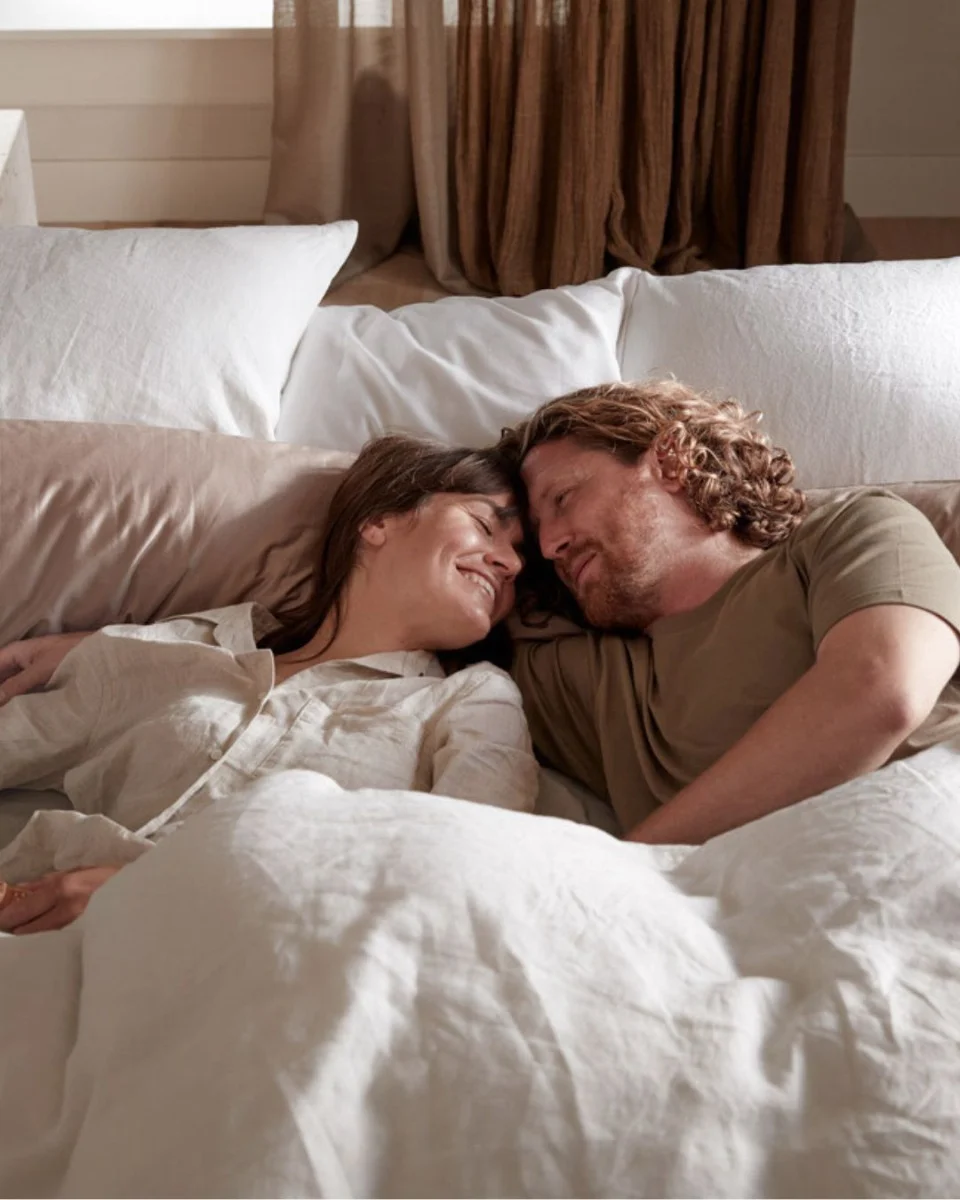
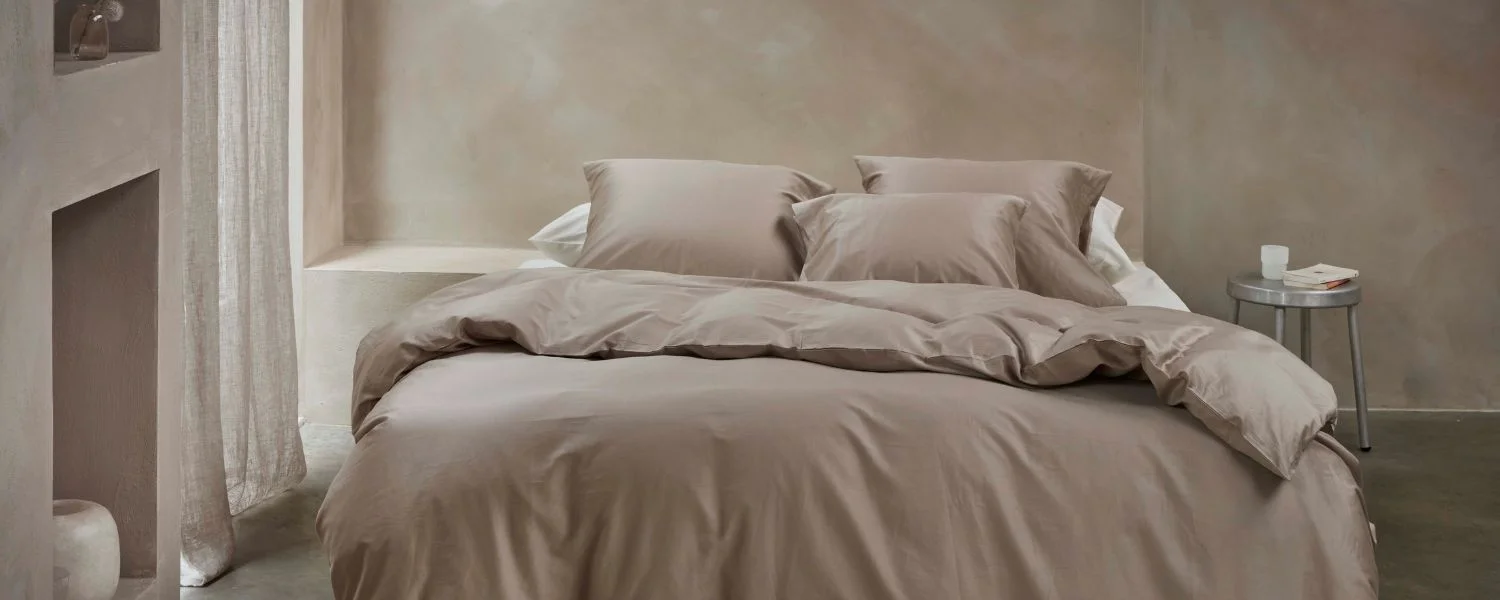
  • Want to give your bedroom a luxurious look without ironing? Linen makes it possible. The fabric wrinkles naturally but still looks elegant and stylish. 
  • Linen becomes softer and more beautiful with every wash. The fabric is also colorfast. 
  • Linen has excellent durability and wear resistance, meaning it lasts longer than cotton. That makes it sustainable in yet another way. 
  • Linen is breathable, keeping you cool in the summer and pleasantly warm in the winter. It can also absorb up to 20% of its weight in moisture without feeling damp. 
  • Linen is naturally hypoallergenic and antibacterial.


As you can see, linen is incredibly sustainable good for people, animals, and the planet. And of course, it’s also beautiful to look at. What more could you ask for?