What Can You Do About Snoring? Our Tips
What can you do about snoring? It’s a question many people struggle with. Since the causes of snoring vary, we’re happy to explain more—and share our tips.
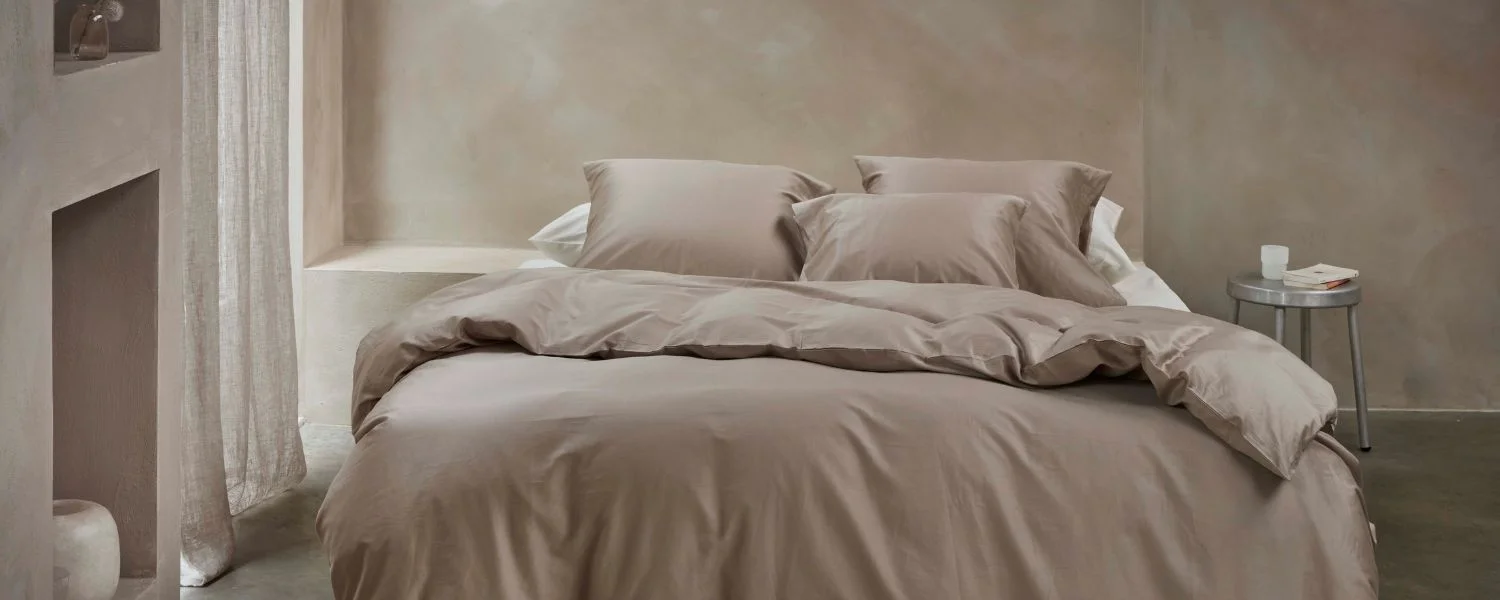
Who doesn’t love curling up under a silky-soft duvet cover after a long day? Satin is a fabric that takes your sleep experience to the next level. But what exactly is satin, how is it made, and what makes it so special? Is it simply about its luxurious appearance, or is there more behind this glossy fabric? We’d love to tell you! One thing is certain: our satin bedding, made from sustainably sourced cotton, is a favorite choice for many when it comes to bedding.

Before we move on to the benefits, let’s first answer the question: what is satin? Contrary to what many people think, satin is not a fabric, but the result of a weaving technique. This technique is called the satin weave, where fine yarns are woven closely together. This structure makes the fabric exceptionally smooth and soft. We often receive questions such as “when is a fabric considered satin?” and “what is satin made of?” As you now understand, the answer does not lie in the material itself, but in the weaving technique used.
Now that you know the answer to the question “what is satin?”, it’s time to look at some related questions. For example: what is cotton satin? Cotton satin is the result of the satin weave technique when cotton yarns are used. Typically, fine yarns and a high thread count are used, creating a smooth and supple fabric.
But is satin polyester? It can be. When polyester fibers are used in the satin weave, the result is a very shiny fabric. The shine of cotton satin is generally more subtle. Additionally, cotton satin—thanks to its natural fibers—is breathable and ventilating, which is not the case with polyester satin. The question “is satin warm?” is therefore not so easy to answer, as it depends on the material used in the weave. When cotton is used, we can say that it is a fabric suitable for both warm and cooler nights.

Did you know that Yumeko’s cotton satin bedding has a thread count of 300? This means that 300 threads are woven per inch. The result is a soft, smooth fabric that feels wonderfully comfortable to sleep in. Cotton satin bedding is perfect if you love soft sheets with a luxurious feel. The subtle sheen also adds a chic look to your bedroom. Another advantage is its versatility: cotton satin bedding is comfortable to sleep under in both warm and cooler seasons.
Why are satin pillowcases so popular? Mainly because of their benefits for your skin and hair. Thanks to the smooth surface of cotton satin, your hair is less likely to tangle while you sleep.
Good to know: all of our duvet cover sets include a matching pillowcase, and our double duvet covers even come with two. You can also purchase cotton satin pillowcases separately.

To make our cotton satin bedding, we use 100% organic and Fairtrade cotton from India, which has never come into contact with pesticides or other harmful chemicals. It meets the strict requirements of the Global Organic Textile Standard (GOTS).
This means you can be sure that our cotton satin bedding is 100% eco-friendly. In addition, the cotton is purchased under fair trade conditions, allowing farmers to take control of their own future. In short, Yumeko’s bedding is better for you and better for the world. And that makes sleeping in it feel even better.

What can you do about snoring? It’s a question many people struggle with. Since the causes of snoring vary, we’re happy to explain more—and share our tips.

Silk has been valued for centuries because of its luxurious appearance and silky-soft feel. But what exactly is silk? We’d love to tell you more about this unique—yet not animal-friendly—material. Because what is silk made from, what is the difference between silk and satin, and what are animal-friendly alternatives? We’ll also answer other important questions, such as: should you choose a satin or silk pillowcase? And what is mulberry silk?

Read everything about the unique material TENCEL™. We answer questions like “what is TENCEL™ fabric?” and “what is TENCEL™ made from?”

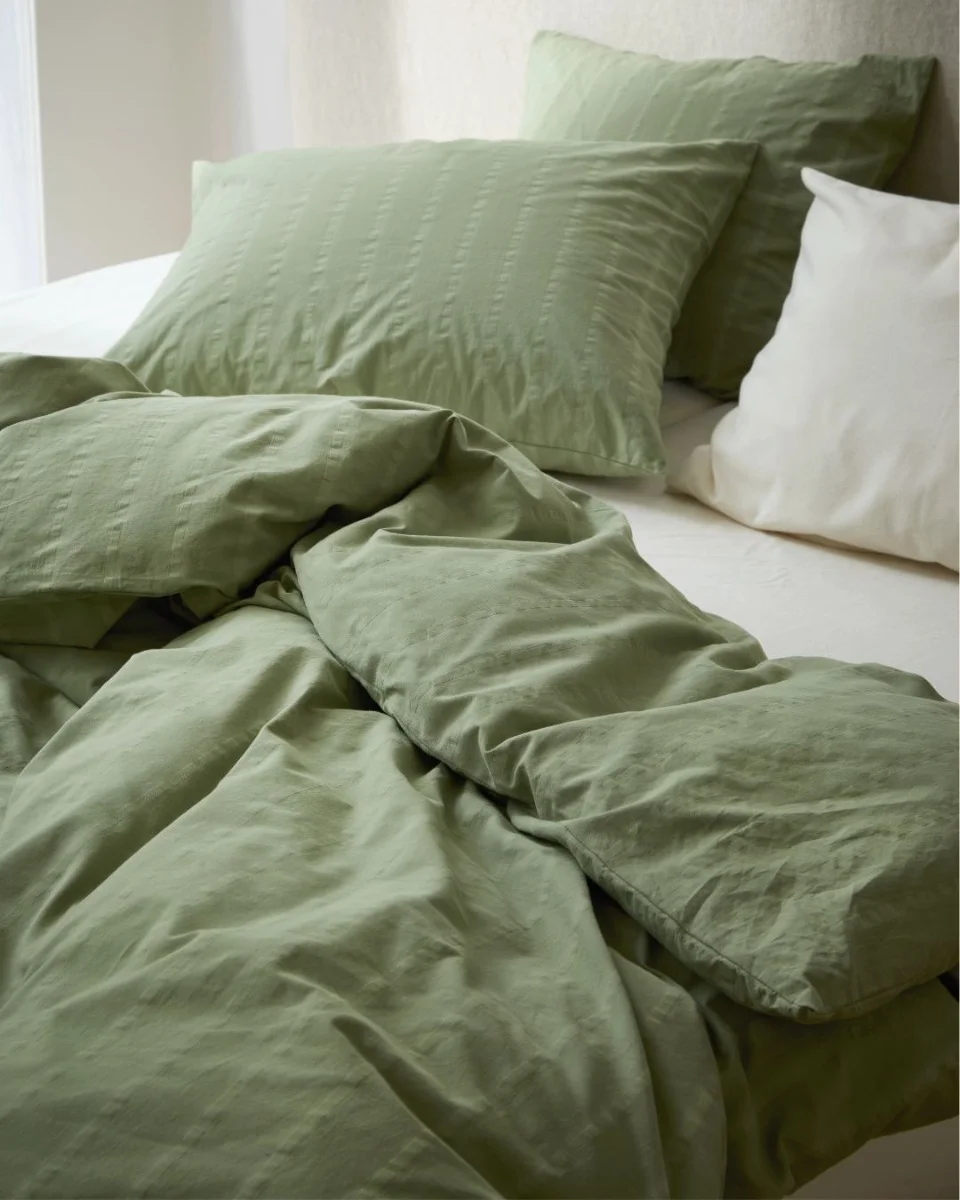
You may have heard of “seersucker” before—perhaps while shopping for clothing or seersucker bedding. This unique fabric is very popular, especially in warmer climates. It’s wonderfully comfortable to sleep under, but what exactly is seersucker? And what makes a seersucker duvet cover so comfortable? In this blog, we’ll tell you everything you need to know about seersucker fabric. A little spoiler: seersucker cotton is incredibly breathable and very easy to care for. For example, seersucker doesn’t need ironing—how convenient!

Linen is a beautiful fabric with lots of character and it’s incredibly durable. In this blog, we’ll tell you everything about it. You’ll discover more about the benefits of linen, its environmental impact, and how linen is made. But first…

One of our best-selling pillows is filled with the natural material kapok. But what exactly is kapok? Read all about it here!

What is jersey cotton? And first of all: what is jersey fabric? Let’s dive into the world of this comfy material and discover why it’s so perfect for a good night’s sleep.

Flannel is a fabric that perfectly combines warmth and softness. But what exactly is flannel? In this blog, we’ll tell you everything about this special fabric and why we love it so much.

The question “what is Egyptian cotton?” comes up often—and that’s no surprise. How can you recognize Egyptian cotton, and is it worth the investment? We’ll explain it all in this blog.

Should you wash new towels before using them? We’re happy to explain how smart washing helps keep your favorite items looking beautiful for longer, because that’s the sustainable choice.