What Can You Do About Snoring? Our Tips
What can you do about snoring? It’s a question many people struggle with. Since the causes of snoring vary, we’re happy to explain more—and share our tips.
Silk has been valued for centuries because of its luxurious appearance and silky-soft feel. But what exactly is silk? We’d love to tell you more about this unique—yet not animal-friendly—material. Because what is silk made from, what is the difference between silk and satin, and what are animal-friendly alternatives? We’ll also answer other important questions, such as: should you choose a satin or silk pillowcase? And what is mulberry silk?

What Is Silk? Silk is a natural fiber produced by silkworms. It is known for its sheen, softness, and luxurious appearance. For this reason, silk is often used to make high-quality clothing, bedding, and other textile products. This remarkable material has been used all over the world for centuries.
What Is Silk Made From? Silk is produced by silkworms that are specially bred for their silk threads. These worms spin cocoons of silk to protect themselves during the transformation into moths. The silk threads are then unwound and woven into fabrics such as silk sheets and pillowcases.
Most silk is produced in China, India, and Thailand. The silkworms are kept in controlled environments until they have produced enough silk for harvesting.
Mulberry silk comes from silkworms that feed on—unsurprisingly—mulberry leaves. Although the term “mulberry silk” is often associated with premium quality, the fact remains that silk production is not sustainable due to the use of animals in the process.
Now that you know what silk is, let’s address a common misconception: that silk and satin are the same.
Silk is a natural fiber produced by silkworms. Satin, on the other hand, refers to a weaving technique, not a material. For example, our cotton satin bedding is made from 100% organic cotton woven using a satin weave, where fine yarns are tightly woven together. This results in a smooth and soft fabric. In short: silk is a material, while satin is a weaving technique.
Many people wonder whether they should choose a satin or silk pillowcase. The answer depends on personal preference and ethical considerations. While silk is known for its luxurious look, its production is not sustainable or animal-friendly. More sustainable alternatives include a cotton satin pillowcase or a TENCEL™ pillowcase.

Silk is produced thanks to the efforts of silkworms—on a large scale. In most cases, the worms are killed during the process. This yields about 20% more silk than when the moths are allowed to emerge naturally from the cocoon. As you can imagine, a large number of silkworms are needed to produce items such as a silk blouse or bedding. As a result, silkworms are bred in unnatural conditions, both in terms of quantity and size—similar to intensive farming practices.
Animal welfare is therefore often not compatible with silk production.
Journalist and sustainable storyteller Talita Kalloe also highlights in her article on silk: “The working conditions are also far from ideal. Human Rights Watch investigated labor conditions in Indian silk factories and found many underage workers, some with blistered hands from dipping silk into boiling water. It’s a harsh and degrading process—for both humans and animals.”

Now that you know what silk is, it’s no surprise that we, as an eco-luxury brand, choose not to use silk—especially given the sustainable, animal-friendly, and ethical alternatives available. Cotton satin bedding is a perfect eco-luxury alternative to silk bedding. When you choose Yumeko, you can be sure—thanks to certifications like GOTS and Fairtrade—that your product is made with the utmost care for people, animals, and the environment.
And what about plant-based TENCEL™? This material combines the best qualities of many fabrics. It feels as soft as silk, as cool and fresh as linen, as warm as wool, and absorbs up to 150% more moisture than cotton. TENCEL™ is made from wood pulp sourced from responsibly managed eucalyptus forests, certified by FSC or PEFC. These certifications ensure that forest management also takes into account safe working conditions and responsible environmental practices.
Source: Soul Stores

What can you do about snoring? It’s a question many people struggle with. Since the causes of snoring vary, we’re happy to explain more—and share our tips.

Read everything about the unique material TENCEL™. We answer questions like “what is TENCEL™ fabric?” and “what is TENCEL™ made from?”

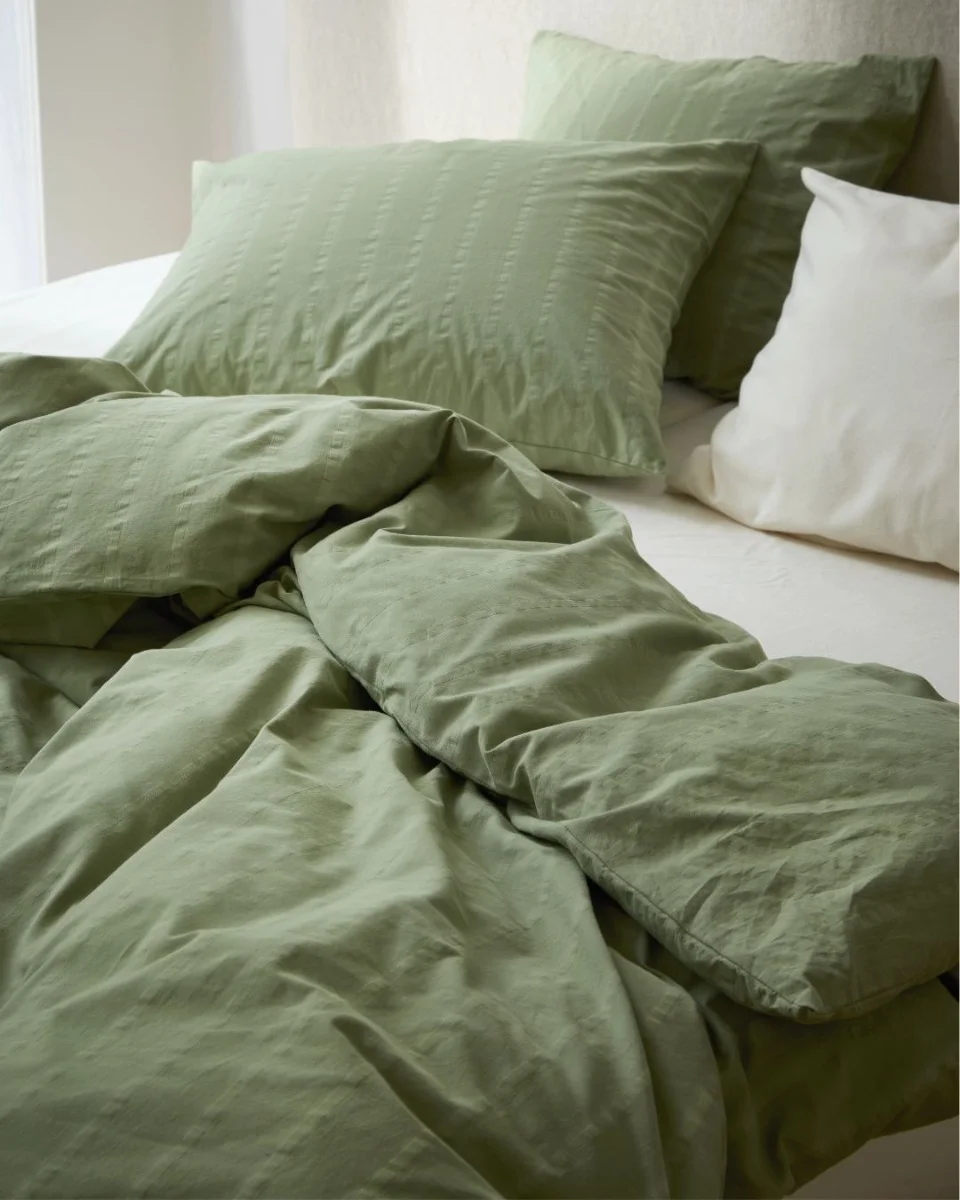
You may have heard of “seersucker” before—perhaps while shopping for clothing or seersucker bedding. This unique fabric is very popular, especially in warmer climates. It’s wonderfully comfortable to sleep under, but what exactly is seersucker? And what makes a seersucker duvet cover so comfortable? In this blog, we’ll tell you everything you need to know about seersucker fabric. A little spoiler: seersucker cotton is incredibly breathable and very easy to care for. For example, seersucker doesn’t need ironing—how convenient!

Satin takes your sleep experience to the next level. But what exactly is satin, how is it made, and what makes it so special? Read more here!

Linen is a beautiful fabric with lots of character and it’s incredibly durable. In this blog, we’ll tell you everything about it. You’ll discover more about the benefits of linen, its environmental impact, and how linen is made. But first…

One of our best-selling pillows is filled with the natural material kapok. But what exactly is kapok? Read all about it here!

What is jersey cotton? And first of all: what is jersey fabric? Let’s dive into the world of this comfy material and discover why it’s so perfect for a good night’s sleep.

Flannel is a fabric that perfectly combines warmth and softness. But what exactly is flannel? In this blog, we’ll tell you everything about this special fabric and why we love it so much.

The question “what is Egyptian cotton?” comes up often—and that’s no surprise. How can you recognize Egyptian cotton, and is it worth the investment? We’ll explain it all in this blog.

Should you wash new towels before using them? We’re happy to explain how smart washing helps keep your favorite items looking beautiful for longer, because that’s the sustainable choice.