Washing New Towels: The Do’s And Don’ts
Washing new towels before use is definitely a good idea. Read our tips here, including using vinegar as a natural alternative to fabric softener.
A good night’s sleep starts with the right mattress. Two popular options are pocket spring mattresses and cold foam mattresses. Both have their own advantages and disadvantages, and making the right choice depends on your personal preferences and needs. To help you decide between “pocket springs or cold foam”, we explore the characteristics of each mattress type. We also tell you more about other options, such as pocket springs combined with cold foam, and the choice between pocket springs or memory foam. Finally, we answer frequently asked questions about pocket spring mattresses. For example: how many pocket springs does a good mattress actually have?

If you’re choosing between a pocket spring or cold foam mattress, it’s important to understand what the difference really is.
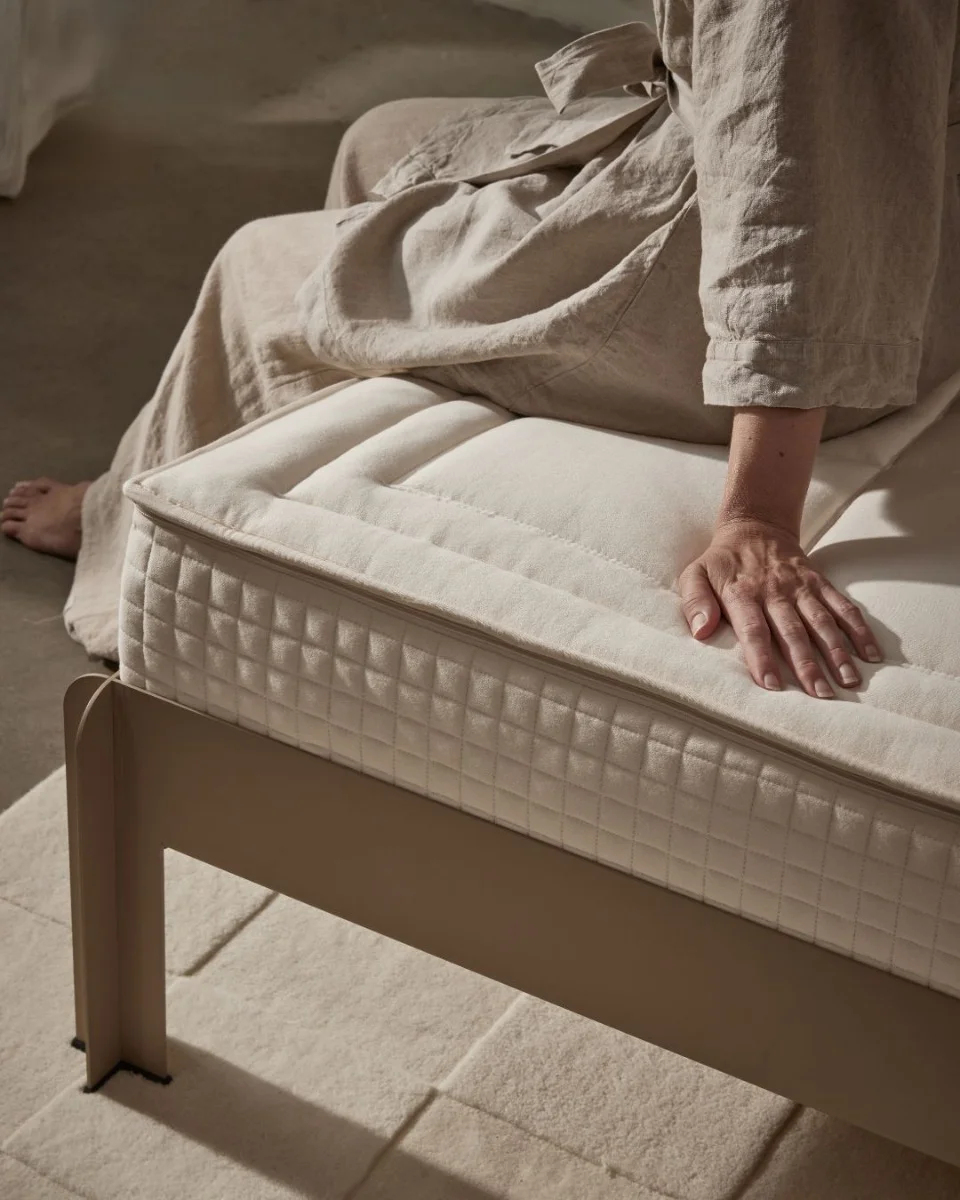
A pocket spring mattress consists of individually wrapped steel springs, each in its own fabric pocket. These springs move independently from one another, providing excellent support and pressure distribution. This type of mattress is ideal for people who sleep on their side, back or stomach. The downsides? Pocket spring mattresses are quite heavy due to the many steel springs, and high-quality pocket spring mattresses can be relatively expensive. Pocket spring mattresses perform best on a box spring or a good slatted base.
Cold foam, also known as high-resilience foam, is a type of polyurethane foam with an open cell structure. It is a synthetic material that offers good support and is known for its ventilation properties. Besides these advantages, there are also some drawbacks. Like pocket spring mattresses, cold foam mattresses are often heavy and expensive.
In addition to the “pocket springs or cold foam” dilemma, there are of course more options to consider for your new mattress. A natural latex mattress, for example, is a beautiful, natural alternative to cold foam. You can also choose a pocket spring mattress combined with cold foam. In this case, pocket springs are paired with cold foam to provide ultimate support and resilience. Another common choice is pocket springs or memory foam. Memory foam is known for its unique ability to adapt to the shape of your body.
For us, as a sustainable brand, the choice between pocket springs or cold foam is an easy one. Cold foam is a 100% synthetic material and does not fit within our natural, sustainable collection. That’s why you’ll find pocket spring mattresses in our range. And because we understand that choosing a mattress is an important decision – for both your sleep and your wallet – we’re happy to answer some frequently asked questions about pocket spring mattresses.


The density of pocket springs in a mattress is measured by the number of springs per square metre. Yumeko’s pocket spring mattresses contain hundreds of hardened steel springs: 275 per m², to be precise. Each spring is individually wrapped and moves independently, providing the right support for your body at every point.
The number of pocket springs per m² directly affects the level of support a mattress provides. Generally speaking, more pocket springs mean better support and a healthier sleeping posture, as pressure is distributed more evenly across the body. That said, good support also strongly depends on the quality of the springs themselves.
A 7-zone pocket spring mattress is designed to provide targeted support to different parts of the body. These zones correspond to key pressure points such as the shoulders, hips and lower back. This results in an ergonomic and comfortable sleeping position.
In addition to different foam types, there are also different types of springs. Pocket springs and open coil springs are both made of steel, but open coil mattresses are the predecessor of pocket spring mattresses. The main difference is that in open coil mattresses the springs are interconnected, whereas pocket springs are individually wrapped. This makes pocket spring mattresses more flexible and better able to adapt to the body.

Washing new towels before use is definitely a good idea. Read our tips here, including using vinegar as a natural alternative to fabric softener.

Suffering from night sweats? Discover the causes and soothing solutions. From the best duvet to practical tips for a cooler night’s sleep.

Washing merino wool requires extra care. We share practical tips to help you enjoy your merino wool items for as long as possible.

Meditating before sleep is a great way to fall asleep faster. We explain why and share 5 practical tips to help you get started.

What do you need to know about baby blanket sizes? We’re happy to explain. You’ll read all about this and more in this blog.

Washing your Yumeko pillow requires special care. Read everything you need to know about proper pillow maintenance here.

Cold feet in bed can be annoying, especially if they keep you awake at night. We explain the causes – and what you can do about them.

Pillows are very important for the overall look and feel of your sleep space. By placing pillows in different sizes on your bed, you instantly create a hotel chic feel. Choose the right pillowcase sizes and you can give your bed a quick makeover in no time!

What actually determines when we sleep and wake up? And how can you optimise your sleep rhythm to have more energy? We take you into the fascinating world of our biological clock and discover how you can make it work in your favour.

You might think: I’ll just wash my down duvet right away. But can you steam or wash a down duvet? And how do you do that without shortening its lifespan?