What Is Flannel? Everything About This Cozy, Cuddly Fabric

When temperatures drop and the days grow darker, we naturally crave warmth and comfort at home. And one thing is certain: with a comfy pyjama and snuggly bedding, you’re already halfway there. That’s where flannel comes in: a fabric that perfectly combines warmth and softness. But what exactly is flannel? In this blog, we’ll tell you everything about this special fabric and why we love it so much.


  • We answer frequently asked questions about flannel, including: 
  • What kind of fabric is flannel? 
  • What is cotton flannel? 
  • Which is warmer: flannel or terry cloth? 
  • Which is warmer: flannel or fleece? 
  • Is flannel warmer than cotton? 
  • At what temperature should you wash flannel? 
SEO_blog_landscape_11_

What Is Flannel? 

To answer the question “what is flannel?”, let’s start with its origins. The story begins in Wales, where the first flannel fabrics were produced in the seventeenth century. But what kind of fabric is flannel, exactly? At its core, flannel is a woven fabric made from loosely spun yarn, using either a plain or twill weave. This specific weaving method, combined with brushing the surface, gives flannel its unique character.


Originally, flannel was made entirely from wool. Today, it can be produced from a variety of materials, including cotton, synthetic fibers, or blends. Yumeko’s flannel fabric is made from 100% organic cotton. The cotton fibers are carefully brushed, resulting in the characteristic softness we all love in flannel items, whether you choose a cozy duvet cover or a soft pyjama. 

From Fiber to Softness: What Is Cotton Flannel? 

Is flannel always cotton? Not necessarily, but at Yumeko, flannel is always made from 100% organic cotton. The magic lies in how the cotton fibers are treated. Brushing cotton is truly an art form.


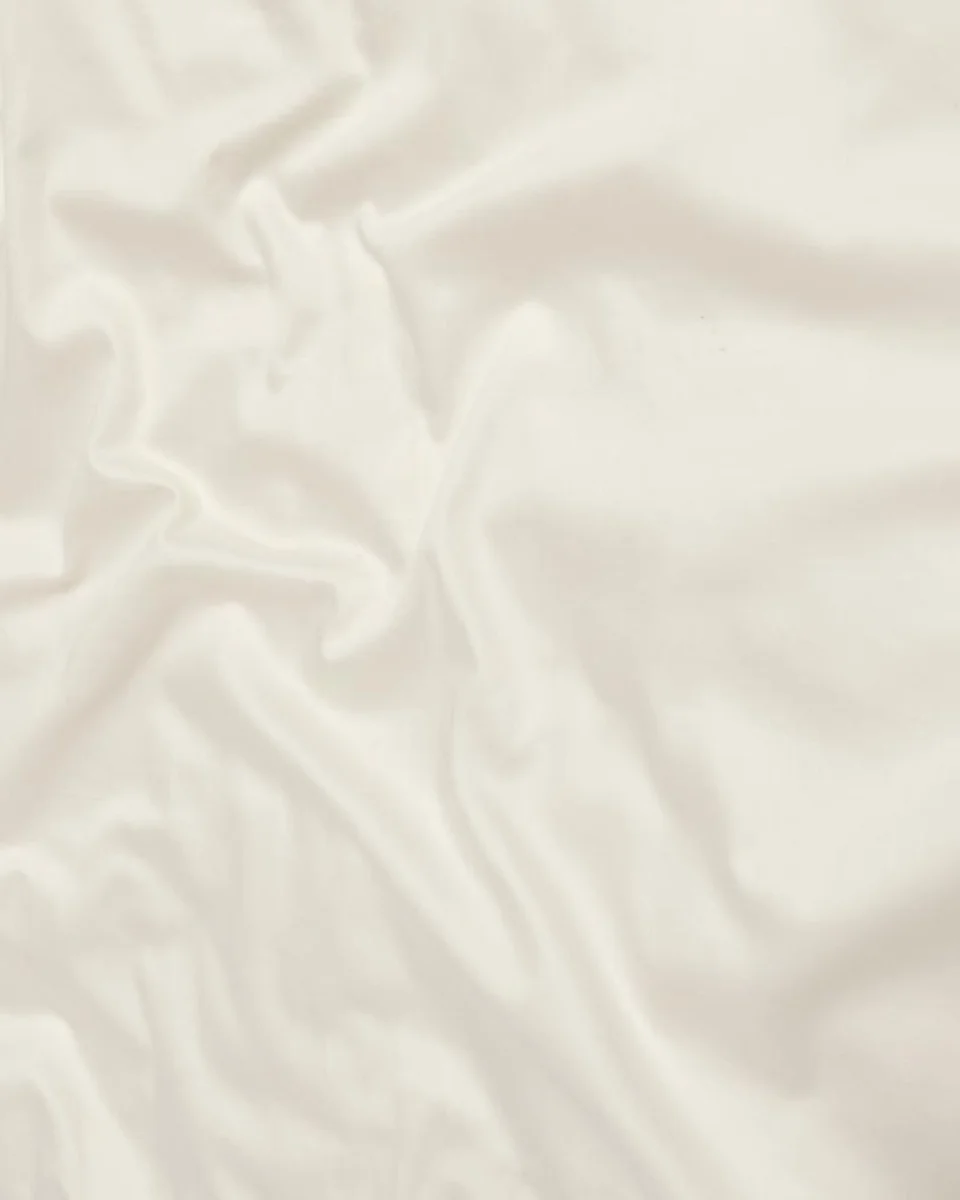
In a Portuguese family-owned factory, this process is carried out for Yumeko with the utmost precision. The finest fibers are gently loosened under low pressure, ensuring the yarn remains intact. This process is repeated several times to achieve the perfect result. Any longer fibers are then carefully sheared away, creating that signature velvety-soft feel.


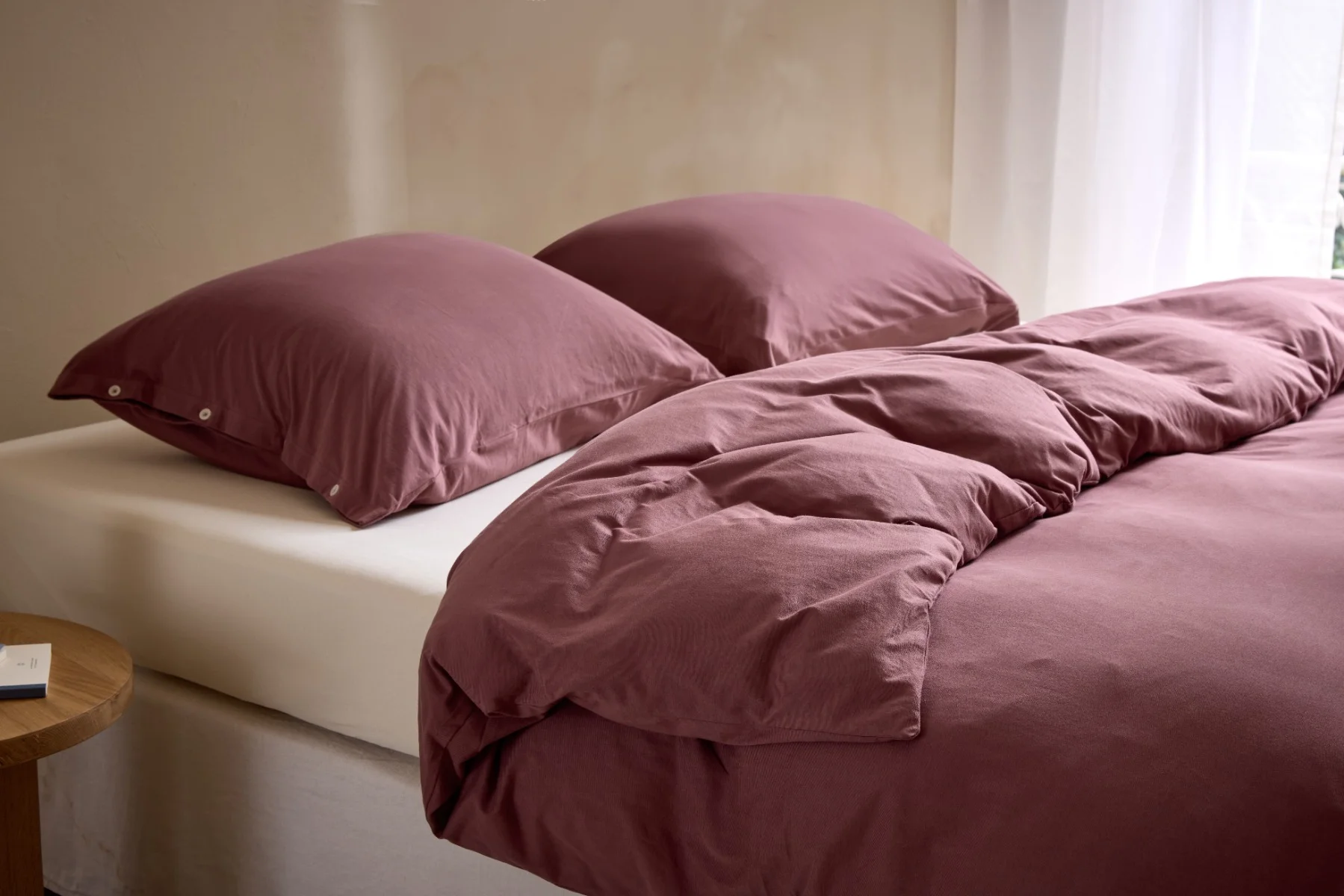
Thanks to this special brushing process, a soft, insulating layer forms on the surface of the fabric, giving flannel its unique properties. A flannel duvet cover or pyjama is therefore wonderfully warm and soft; perfect for cold winter evenings when you’d rather stay in bed with a good book. 


Instagram_45_oud_21_

How Warm Is Flannel Compared to Other Fabrics? 

A common question is: “Is flannel warmer than cotton?” If you’ve read the sections above, you’ll know this is actually a bit of a trick question, because flannel can be made from cotton. The difference lies in the finishing. Brushing the fabric gives it its characteristic softness and warmth, making flannel warmer than regular, unbrushed cotton.


But how does it compare to other similar materials? For example: which is warmer, flannel or terry cloth? In this case, flannel wins. Terry cloth is woven to create loops, resulting in a rougher texture. While both fabrics feel warm, flannel’s insulating properties give it the edge.


And what about flannel versus fleece? Both fabrics are very warm, but fleece is usually made from synthetic materials such as 100% polyester. This makes it non-breathable, which can lead to an uncomfortably warm feeling. So while both fabrics provide warmth, flannel has a clear advantage: it is both insulating and breathable. The softly brushed surface retains heat, while the natural properties of cotton allow the fabric to breathe. 


Instagram_45_oud_22_

Care and Maintenance 

Another frequently asked question concerns care: at what temperature should you wash flannel? To keep your flannel items in optimal condition, we recommend washing them at 40°C (104°F).


Use an eco-friendly detergent without bleach and avoid fabric softener, it can damage the natural softness of the fibers. Extra tip: air-dry your flannel items or tumble dry on a low setting, and iron at a maximum of 150°C (300°F). With proper care, flannel will last for years, making it a sustainable choice too. 

Sustainable Comfort 

Speaking of sustainability: at Yumeko, we always go the extra mile. Our flannel is produced in a family-run factory in Portugal where sustainability is a top priority. The production process is GOTS-certified, meaning no harmful chemicals are used. About 70% of the water used during production is recycled, and 90% of the required electricity is generated sustainably using solar panels. Yumeko’s flannel is soft on your skin, and gentle on the planet.


Now that you know the answer to “what is flannel?” and understand how special this fabric really is, it’s easy to see why we’re so enthusiastic about it. From cozy flannel duvet covers to soft pyjamas, flannel instantly brings warmth and comfort.


Curious whether flannel or one of our other materials suits you best? Take a look at our material selection guide to find your perfect match.